
.jpeg)
Real-world investigation and longitudinal follow-up of acalabrutinib/acalabrutinib
The BTK inhibitor treatment paradigm for patients with chronic lymphocytic leukemia (CLL) or small lymphocytic lymphoma (SLL) in the community setting has shifted away from ibrutinib as the use of acalabrutinib and zanubrutinib has increased, results from a retrospective observational cohort study show. A study analyzed the relationship between demographics, treatment patterns, and social determinants of health in CLL/SLL patients treated with BTK inhibitors in a community oncology setting.
Of the 2082 patients identified in this retrospective study who initiated treatment with a BTK inhibitor, 55.7% received acotinib (n=1159) without subsequent BT K inhibitors; 30.2% of patients received ibrutinib (n=628) without subsequent BTK inhibitors; 5.4% of patients received zanubrutinib (n=113) without subsequent BTK inhibitors. The study population also included patients who switched from ibrutinib to acobrutinib (n=82), patients who switched from acotinib to ibrutinib (n=62), and patients who switched from acotinib to zanubrutinib (n=38).
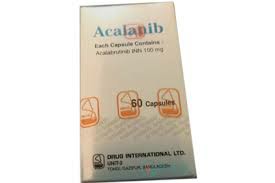
The study excluded patients who had no follow-up after BTK inhibitor initiation; had no electronic health record data available; were taking multiple BTK inhibitors concurrently at the start of treatment; were enrolled in another clinical trial; or were treated for a different primary cancer after starting treatment with a BTK inhibitor.
Patient data were collected from structured fields in the US Oncology Network's electronic medical records (iKM) and the Financial Data Warehouse, both of which were linked to other external databases to assess social determinants of health. The researchers divided patients into different treatment sequence subgroups based on subsequent treatments received immediately after the first dose of a BTK inhibitor. Descriptive analyzes were performed to assess patient characteristics and social determinants of health measures to identify any significant associations.
Across the entire treatment group, the median age was 73 years (range 21 to 90+), and the majority of patients were male (61.9%) and white (73.5%). Rai stages include stage 0 (19.5%); stages 1 and 2 (26.5%); stages 3 and 4 (27.1%); and no stage information (26.9%). In addition, 16.0% of patients had an ECOG performance status (PS) of 0; 28.0% had an ECOG PS status of 1; and 5.9% had an ECOG grade 2 or higher. Notably, ECOG PS data were not available for 50.1% of patients.
[ 免责声明 ] 本页面内容来自公开渠道(如FDA官网、Drugs官网、原研药厂官网等),仅供持有医疗专业资质的人员用于医学药学研究参考,不构成任何治疗建议或药品推荐。所涉药品可能未在中国大陆获批上市,不适用于中国境内销售和使用。如需治疗,请咨询正规医疗机构。本站不提供药品销售或代购服务。


