
.jpeg)
What is the biggest advantage of rasagiline in treating Parkinson’s disease?
Rasagiline (Rasagiline) is a second-generation monoamine oxidase inhibitor whose ability to inhibit the breakdown of the neurotransmitter dopamine is 5-10 times stronger than the first-generation drug. This means rasagiline is more effective at raising dopamine levels in the brain, significantly improving symptoms in people with Parkinson's disease. Rasagiline can show significant therapeutic effects on common symptoms such as tremor, muscle stiffness, and bradykinesia in patients with Parkinson's disease.
The safety and tolerability of rasagiline have been fully clinically proven. The incidence of adverse reactions is relatively low, mainly mild gastrointestinal symptoms and allergic reactions. Rasagiline has milder side effects than traditional anti-Parkinson's drugs, allowing patients to better tolerate treatment and reduce the risk of discontinuing treatment due to side effects.
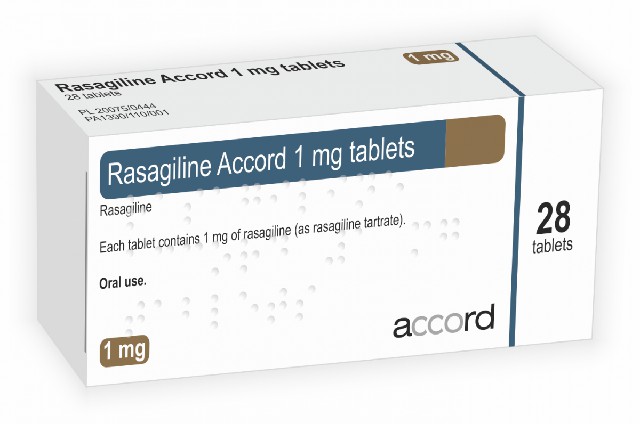
In addition to improving symptoms, rasagiline also exhibits some neuroprotective effects. There is evidence from multiple studies that rasagiline can protect nerve cells from further damage, potentially slowing the progression of Parkinson's disease. This advantage provides patients with Parkinson's disease with longer-term therapeutic benefits rather than just temporary relief of symptoms.
Rasagiline can not only be used alone as a first-line drug for the early treatment of Parkinson's disease, but can also be used in combination with levodopa and other drugs to treat moderate and severe Parkinson's disease. This combined treatment regimen can more effectively control symptoms and improve patients’ quality of life. Many patients have significantly improved their daily living abilities after taking rasagiline and are better able to take care of themselves and participate in social activities.
[ 免责声明 ] 本页面内容来自公开渠道(如FDA官网、Drugs官网、原研药厂官网等),仅供持有医疗专业资质的人员用于医学药学研究参考,不构成任何治疗建议或药品推荐。所涉药品可能未在中国大陆获批上市,不适用于中国境内销售和使用。如需治疗,请咨询正规医疗机构。本站不提供药品销售或代购服务。


