
.jpeg)
How effective is rasagiline as an antidepressant?
Rasagiline (Rasagiline), a new type of monoamine oxidase inhibitor, has attracted widespread attention in the medical community in recent years. Although it is more commonly used to treat Parkinson's disease, where it has shown significant efficacy, rasagiline was originally developed as an antidepressant.
Rasagiline inhibits the activity of monoamine oxidaseB (MAO-B), preventing the breakdown of dopamine, thereby increasing the level of dopamine in the synaptic cleft in the brain. This unique mechanism of action gives rasagiline theoretical antidepressant potential, as dopamine is an important neurotransmitter closely related to mood, motivation and reward mechanisms.
Although there are currently relatively few large-scale clinical study data on rasagiline as an antidepressant, some existing studies and small-scale trials have shown that rasagiline has certain efficacy in antidepressants. By increasing dopamine levels in the brain, rasagiline helps improve symptoms of depression, such as low mood, lack of interest and energy.
However, it should be noted that depression is a complex disease whose pathogenesis involves the interaction of multiple neurotransmitters and brain regions. Therefore, rasagiline may not be suitable for all patients with depression, and its effectiveness may vary from person to person.
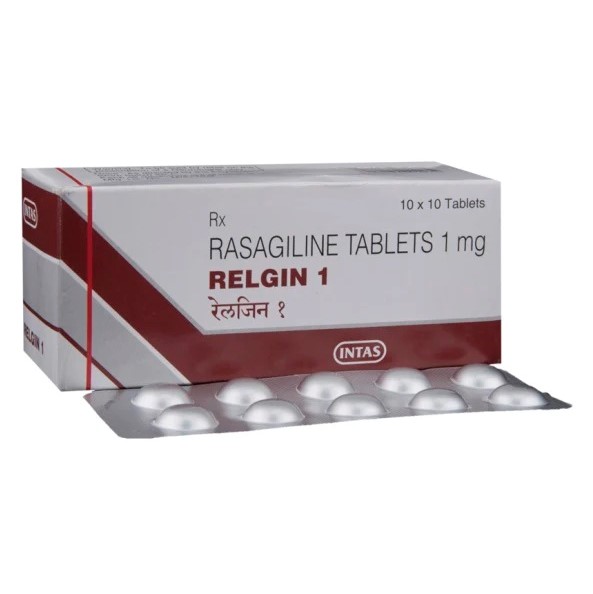
Rasagiline has some unique advantages over traditional antidepressants. First, its side effects are relatively minor because it mainly inhibits MAO-B and has a weak inhibitory effect on other types of monoamine oxidases. This reduces the risk of adverse effects such as hypertensive crisis, liver damage, etc. Second, rasagiline may have neuroprotective effects, which may help slow the progression of depression and improve patients' quality of life.
However, rasagiline's antidepressant efficacy compared with traditional antidepressants has not been fully demonstrated. There is a lack of large-scale, long-term clinical studies comparing the efficacy and safety of rasagiline with other antidepressants. Therefore, when choosing antidepressants, doctors need to consider the patient's specific situation and needs.
Although rasagiline has a relatively good safety profile, there are still some potential side effects and risks. Common side effects include headache, dizziness, gastrointestinal discomfort, etc. In addition, you need to be alert to the occurrence of serious side effects such as allergic reactions and serotonin syndrome. Therefore, your doctor's advice and guidance should be followed when using rasagiline to ensure patient safety.
In summary, rasagiline, as a new monoamine oxidase inhibitor, has certain efficacy and potential in antidepressant. However, current clinical research on its antidepressant effect is insufficient, and more research is needed to confirm its efficacy and safety. In the future, with an in-depth understanding of the pathogenesis of depression and the continuous emergence of new drugs, we expect rasagiline to play a greater role in the antidepressant field and provide more treatment options for patients with depression.
At the same time, the individual differences and complexities of each patient need to be noted. When selecting and using rasagiline, evaluation and decision-making should be based on the patient's specific situation to ensure optimal therapeutic efficacy and safety. In addition, with the continuous advancement and development of medicine, we look forward to the emergence of more innovative and effective treatments in the future to bring better quality of life and health to patients with depression.
[ 免责声明 ] 本页面内容来自公开渠道(如FDA官网、Drugs官网、原研药厂官网等),仅供持有医疗专业资质的人员用于医学药学研究参考,不构成任何治疗建议或药品推荐。所涉药品可能未在中国大陆获批上市,不适用于中国境内销售和使用。如需治疗,请咨询正规医疗机构。本站不提供药品销售或代购服务。


