
.jpeg)
In-depth analysis of the chemical structure and properties of palbociclib/palbociclib
Palbociclib/palbociclib, as an innovative cyclin-dependent kinase (CDK) 4/6 inhibitor, has been widely recognized and used in combination with endocrine therapy (ET), specifically for the treatment of hormone receptor-positive (HR+)/human epidermal growth factor receptor 2-negative (HER2-) advanced breast cancer (ABC) patients. This medication is available as an oral capsule or tablet, providing patients with a convenient treatment route.
The treatment cycle of palbociclib is usually 28 days, of which patients need to take the drug for 21 consecutive days, and may be combined with other drugs, such as aromatase inhibitors or fulvestrant. This treatment cycle continues as long as the patient responds well to the drug and tolerates its possible side effects.
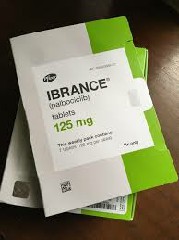
Each palbociclib capsule or tablet contains a precise dose of the kinase inhibitor palbociclib is available in three strengths: 125 mg, 100 mg and 75 mg. The drug's molecular formula was identified as C24H29N7O2, and its molecular weight was precisely 447.54 daltons. From a chemical nomenclature point of view, it is called 6-acetyl-8-cyclopentyl-5-methyl-2-{[5-(piperazin-1-yl)pyridin-2-yl]amino}pyrido[2,3-d]pyrimidin-7(8H)-one. This long and complex name reflects its unique chemical structure.
Palbociclib appears as a yellow to orange powder. Under differentpH values, its solubility changes. Palbociclib exhibits higher solubility when the pH value is equal to or lower than 4; while when the pH value increases above 4, its solubility decreases significantly.
[ 免责声明 ] 本页面内容来自公开渠道(如FDA官网、Drugs官网、原研药厂官网等),仅供持有医疗专业资质的人员用于医学药学研究参考,不构成任何治疗建议或药品推荐。所涉药品可能未在中国大陆获批上市,不适用于中国境内销售和使用。如需治疗,请咨询正规医疗机构。本站不提供药品销售或代购服务。


