
.jpeg)
Is Mobotinib (Mobosetinib) effective in the treatment of lung cancer?
Whether mobosetinib (mobosetinib) has a significant effect in the treatment of lung cancer is a matter of great concern.
1. Indications and mechanism of action of Mobotinib
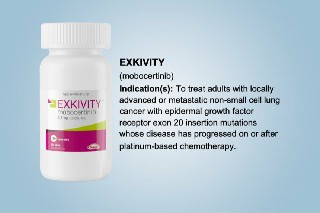
Mobotinib is a kinase inhibitor specifically targeted at patients with non-small cell lung cancer (NSCLC) with EGFR exon 20 insertion mutations. EGFR exon 20 insertion mutation is a relatively rare gene mutation, and traditional EGFR-TKI and immunotherapy have limited effect on it. Mobotinib blocks the growth and reproduction of tumor cells by inhibiting the abnormal signaling pathway of EGFR, thereby providing a new treatment method for these patients.
2. Clinical effects of Mobotinib
1.Objective response rate and median response duration
In a 3part open-label, multicenter, nonrandomized, I/II phase clinical study, treatment-experienced EGFR was included Patients with locally advanced / metastatic non-small cell lung cancer with exon 20 insertion mutations were treated with moboxetinib 160mg once a day. Trial results show that the objective response rate (ORR) of mobosetinib in patients with EGFR ex20ins mutated non-small cell lung cancer who have received platinum-based chemotherapy and whose disease has progressed reached 28%. This means that nearly one-third of patients treated with mobotinib experienced significant tumor shrinkage or disappearance. At the same time, the median response duration reached 17.5 months, indicating that mobotinib can control the progression of the disease for a long time.
2.Median progression-free survival and median overall survival
Similarly in the above study, the median progression-free survival (PFS) of patients treated with mobotinib was 7.3 months, which was significantly improved compared to traditional treatments. This shows that the rate of disease progression in patients treated with mobotinib is significantly slowed down. In addition, the median overall survival (OS) also reached 24.0 months, which means that mobotinib can significantly prolong the survival of patients.
3.Long-term follow-up results
After more than one year of follow-up, the annual survival rate of patients treated with mobotinib reached 1 70%. This data further confirms the significant effect of mobotinib in extending patient survival. At the same time, the disease control rate (DCR) was as high as 78%, demonstrating the excellent performance of mobotinib in controlling disease progression.
3. Safety and Tolerability of Mobotinib
In addition to its remarkable efficacy, mobotinib has a good safety and tolerability profile. In clinical trials, although patients will experience some common adverse reactions, such as diarrhea, rash, etc., most of these reactions are mild to moderate and can be managed through appropriate dose adjustment or symptomatic treatment. Serious adverse reactions are relatively rare, which further enhances the feasibility of mobotinib in clinical applications.
4. Expert opinions and clinical application prospects
Many experts have recognized the efficacy of mobotinib. Professor Fang Jian, Director of the Second Department of Thoracic Oncology at Peking University Cancer Hospital, said: "Moboxetinib brings more effective treatments to clinicians to deal with this type of lung cancer, ushering in a new era of targeted therapy in this field." With the increase in clinical experience in the use of moboxetinib, the survival of patients with advanced non-small cell lung cancer with EGFR exon 20 insertion mutations is expected to be further extended.
[ 免责声明 ] 本页面内容来自公开渠道(如FDA官网、Drugs官网、原研药厂官网等),仅供持有医疗专业资质的人员用于医学药学研究参考,不构成任何治疗建议或药品推荐。所涉药品可能未在中国大陆获批上市,不适用于中国境内销售和使用。如需治疗,请咨询正规医疗机构。本站不提供药品销售或代购服务。


