
.jpeg)
Detailed explanation of the efficacy and side effects of giritinib
Giritinib, an innovative targeted therapy drug for patients with FLT3 mutation-positive acute myeloid leukemia (AML), has become the focus of the medical community in recent years. Its unique pharmacological mechanism of action and significant efficacy have brought new treatment prospects to AML patients. However, like any drug, giritinib comes with some side effects. This article will explain in detail the efficacy of giritinib and its potential side effects.
Giritinib effectively blocks the proliferation and spread of leukemia cells by precisely inhibiting the activity of the FLT3 receptor. This targeted treatment strategy makes giritinib stand out in the treatment of AML. Multiple clinical trials have confirmed that giritinib can significantly reduce tumor burden, improve patients' clinical symptoms, and even extend patients' survival and improve their quality of life. Especially for FLT3 mutation-positive AML patients, the efficacy of giritinib is particularly significant. However, it should be emphasized that as a prescription drug, gilitinib must be used under the guidance of a doctor. Patients should fully understand the relevant information of the drug before use and strictly follow the doctor's instructions.
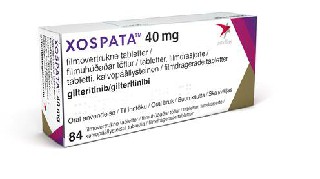
Although giritinib has shown significant advantages in the treatment ofAML, patients still need to be wary of its possible side effects. Common side effects include nausea, vomiting, diarrhea, fatigue, headache, and loss of appetite. These side effects are usually mild and can be alleviated by adjusting the dosage or taking appropriate medications. However, giritinib also has some serious side effects that require patients' attention. For example, QT interval prolongation, inflammation of the pancreas (pancreatitis), etc. These side effects may pose a threat to the patient's health. Therefore, while using giritinib, patients need to undergo regular electrocardiogram, liver function and other related tests in order to detect and deal with potential side effects in a timely manner. In addition, it is important to note that during treatment with gilitinib, patients may experience a rare but serious complication called "differentiation syndrome." Symptoms of this disease include abnormal blood cell function, including fever, worsening cough, difficulty breathing, intolerable bone pain, abnormal weight gain, and swelling of the arms, legs, armpits, groin, and neck. If these symptoms occur, patients should seek medical attention immediately and inform their doctor that they are taking giritinib.
In short, giritinib is a targeted therapy drug for FLT3 mutation-positive AML patients. Its efficacy is significant, and it is AMLPatients are offered new treatment options. However, patients still need to be wary of possible side effects when using giritinib, especially severe side effects and differentiation syndrome. Therefore, patients should take medication under the guidance of a doctor and pay close attention to changes in their condition so that they can adjust their treatment plan in a timely manner. At the same time, patients also need to understand the price information of giritinib and choose the appropriate drug source based on their own financial situation and needs.
[ 免责声明 ] 本页面内容来自公开渠道(如FDA官网、Drugs官网、原研药厂官网等),仅供持有医疗专业资质的人员用于医学药学研究参考,不构成任何治疗建议或药品推荐。所涉药品可能未在中国大陆获批上市,不适用于中国境内销售和使用。如需治疗,请咨询正规医疗机构。本站不提供药品销售或代购服务。


