
.jpeg)
What impact does giritinib treatment have on extending lifespan?
The impact of giritinib treatment on prolonging life is mainly reflected in the significant improvement in survival of patients with relapsed or refractory acute myeloid leukemia (AML) with FLT3 mutations.
In a pivotal phase III clinical trial, the median overall survival in the geritinib group was 9.3 months, compared with 5.6 months in patients who received salvage chemotherapy. This data clearly shows that giritinib can significantly extend patients' lives.
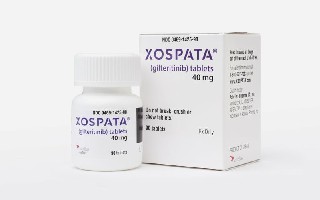
In addition to prolonging survival, giritinib can also improve patients' complete response rate. In the above-mentioned clinical trials, the proportion of patients in the gilitinib group who achieved complete remission and complete or partial recovery of hematology reached 34%, which was much higher than the 15.3% in the chemotherapy group. This means that more patients can achieve significant remission with giritinib treatment.
Compared with chemotherapy, giritinib has shown lower rates of adverse events and serious adverse events in clinical trials. This helps patients better tolerate treatment and reduce shortened survival caused by treatment side effects.
For AML patients carryingFLT3 mutations, the emergence of giritinib provides them with a new treatment option. Especially for patients who do not respond well to traditional chemotherapy or who relapse, giritinib may become an important drug in extending their survival.
It is important to note that although giritinib has shown significant efficacy in clinical trials, each patient's response may vary. Factors such as the patient's constitution, severity of illness, and response to the drug may affect the therapeutic effect of giritinib.
[ 免责声明 ] 本页面内容来自公开渠道(如FDA官网、Drugs官网、原研药厂官网等),仅供持有医疗专业资质的人员用于医学药学研究参考,不构成任何治疗建议或药品推荐。所涉药品可能未在中国大陆获批上市,不适用于中国境内销售和使用。如需治疗,请咨询正规医疗机构。本站不提供药品销售或代购服务。


