
.jpeg)
Can Aceminib treat the accelerated phase of chronic grazing?
Asciminib is a new allosteric modulator of ABL1 that has attracted widespread attention in the treatment of chronic myelogenous leukemia (CML) in recent years.
Aximinib specifically targets the myristoyl pocket of ABL1 (STAMP), which has a different mechanism of action from traditional tyrosine kinase inhibitors (TKI). This unique mode of action allows Asiminib to theoretically overcome the problem of resistance to certain TKIs, and therefore may have better therapeutic effects for patients with accelerated CML.
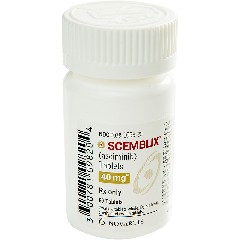
Although there are currently relatively few specific clinical trial data on aceminib in the accelerated phase of chronic myeloid steroids, existing studies have shown the potential of the drug in the treatment of refractory CML patients. For example, in some clinical trials, aceminib has shown significant therapeutic effects in patients who had previously received multiple TKI treatments but had failed to respond.
Aceminib has shown good safety and tolerability in clinical trials, which is particularly important for patients in the accelerated phase, because they often need more powerful treatment options with controllable side effects.
Some hematology experts say aceminib offers a new treatment option for patients who have developed resistance or intolerance to traditional TKIs. Especially in the accelerated phase, when the disease progresses rapidly, aceminib may become an important therapeutic weapon.
Although aceminib has shown potential in the treatment of accelerated phase of chronic myeloid arthritis, caution is required in its practical application. Each patient’s situation is different, so treatment plans need to be individually tailored. In addition, as with any new drug, further clinical data are needed to confirm long-term efficacy and safety.
[ 免责声明 ] 本页面内容来自公开渠道(如FDA官网、Drugs官网、原研药厂官网等),仅供持有医疗专业资质的人员用于医学药学研究参考,不构成任何治疗建议或药品推荐。所涉药品可能未在中国大陆获批上市,不适用于中国境内销售和使用。如需治疗,请咨询正规医疗机构。本站不提供药品销售或代购服务。


