
.jpeg)
Obeticholic acid versus ursodeoxycholic acid: a comparison of two bile acid drugs
In the medical field, bile acid drugs play an important role in the treatment of liver diseases and cholestatic diseases. Among them, obeticholic acid and ursodeoxycholic acid are two common bile acid drugs, each with unique pharmacological effects and clinical applications. This article will provide a detailed comparison of these two drugs so that readers can better understand their characteristics and differences.
1. Drug mechanism and uses
Ocaliva (Ocaliva): Obeticholic acid is a farnesoid X receptor (FXR) agonist. By binding to FXR, it regulates bile acid metabolism and reduces cholestasis, thereby improving liver function and relieving symptoms of PBC (primary biliary cholangitis). It has been approved by the Food and Drug Administration (FDA) in the United States and is primarily used to treat adult patients with PBC, especially those who have responded poorly to or cannot tolerate ursodeoxycholic acid therapy.
Usodeoxycholic acid (UDCA): Ursodeoxycholic acid is currently the first-line treatment drug for PBC recommended by domestic and foreign guidelines. Its main mechanism of action is to promote bile secretion, inhibit the cytotoxic effect of hydrophobic cholic acid and its induced cell apoptosis, protect cholangiocytes and hepatocytes from toxic bile damage, and improve cholestasis. In addition to PBC, ursodeoxycholic acid is also used to treat gallstones, fatty liver, cholecystitis, bile reflux gastritis and other diseases.
2. Drug properties and side effects
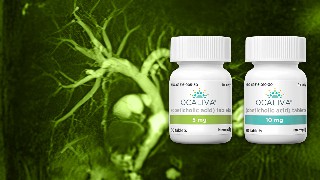
Obeticholic Acid: Obeticholic acid is well tolerated and has relatively few side effects. Common adverse reactions include skin itching, rash, diarrhea, nausea, etc. However, because obeticholic acid can interact with other drugs, you need to follow your doctor's advice during use and avoid using it with other drugs at the same time. Additionally, obeticholic acid should not be used in patients with decompensated liver disease because inappropriate administration may lead to risk of hepatic decompensation and death.
Ursodeoxycholic acid: Although the side effects of ursodeoxycholic acid are relatively minor, some patients may still experience adverse reactions such as diarrhea, constipation, headache, dizziness, allergies, and tachycardia. A small number of patients occasionally experience adverse symptoms such as joint and muscle pain, cough, and pancreatitis. Therefore, when using ursodeoxycholic acid, patients must do so under the guidance of a doctor and pay close attention to their physical condition.
3. Clinical application and prospects
Obeticholic acid: As a new option for PBC treatment, obeticholic acid has shown good efficacy and safety in clinical trials. It provides a new treatment avenue for patients who are poorly treated or cannot tolerate ursodeoxycholic acid. With the deepening of research and the promotion of clinical application, obeticholic acid is expected to play a greater role in the field of liver diseases.
Usodeoxycholic acid: As a recognized first-line treatment drug for PBC, ursodeoxycholic acid has a broad foundation and rich experience in clinical application. It has not only achieved remarkable results in the treatment of PBC, but also played an important role in the treatment of other liver diseases and cholestatic diseases. In the future, with the continuous emergence of new drugs and in-depth clinical research, the application fields and therapeutic effects of ursodeoxycholic acid are expected to be further expanded and improved.
4. Listing information
Currently, obeticholic acid is not available in China, and patients need to purchase the drug overseas. Currently, in overseas markets, there are both original drugs and some affordable generic versions for sale. Please make your own choice.
Ursodeoxycholic acid has been launched in China as a prescription drug and can be used by patients with medical advice.
In summary, obeticholic acid and ursodeoxycholic acid, two common cholic acid drugs, have obvious differences in drug mechanisms, uses, characteristics and side effects, as well as clinical applications and prospects. When selecting drugs, doctors should comprehensively consider factors such as the drug's efficacy, safety, and applicability based on the patient's specific situation and needs, and develop a personalized treatment plan for the patient. At the same time, patients should take medication under the guidance of a doctor and pay close attention to their physical condition to ensure treatment effectiveness and safety.
[ 免责声明 ] 本页面内容来自公开渠道(如FDA官网、Drugs官网、原研药厂官网等),仅供持有医疗专业资质的人员用于医学药学研究参考,不构成任何治疗建议或药品推荐。所涉药品可能未在中国大陆获批上市,不适用于中国境内销售和使用。如需治疗,请咨询正规医疗机构。本站不提供药品销售或代购服务。


