
.jpeg)
Detailed explanation of side effects of neratinib
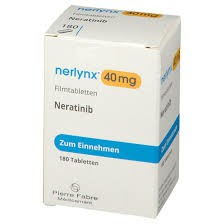
Neratinib (neratinib) is a targeted treatment drug for breast cancer. It effectively blocks the growth and spread of tumor cells by precisely binding to and inhibiting the activities of epidermal growth factor receptor (EGFR), human epidermal growth factor receptor 2 (HER2) and HER4. However, like other drugs, neratinib may cause a range of side effects during treatment. This article will provide a detailed introduction to the possible side effects of neratinib.
1. Severe allergic reaction
A rare patient may experience a serious allergic reaction while taking neratinib. These reactions may include:
1. Urticaria: Red or white raised bumps appear on the skin, accompanied by itching.
2. Difficulty breathing: The patient may feel shortness of breath, wheezing, or suffocation.
3. Swelling of the face, lips, tongue, or throat: Swelling in these areas may cause difficulty breathing and swallowing.
Once these signs of allergic reaction occur, patients should stop using neratinib and contact their doctor or go to the hospital immediately.
2. Side effects that require immediate attention
In addition to allergic reactions, there are some side effects that patients need to pay special attention to and report to their doctor immediately:
1. Severe or persistent diarrhea: Diarrhea is one of the common side effects of neratinib, but if the diarrhea is severe or persistent, it may lead to dehydration and other health problems.
2. Pain or burning when urinating: This may be a sign of a urinary tract infection that requires prompt treatment.
3. Kidney problems: These include little or no urination, swelling of your feet or ankles, feeling tired, or short of breath. These symptoms may be a sign of impaired kidney function.
4. Liver problems: such as pain in the upper right side of the abdomen, vomiting, fatigue, fever, itching, dark urine, clay-colored stools, and jaundice (yellowing of the skin or eyes). These symptoms may be signs of abnormal liver function.
3. Common side effects of neratinib
In addition to the above-mentioned side effects that require special attention, neratinib may also cause the following common side effects:
1. Kidney problems: Neratinib may have certain effects on the kidneys, leading to abnormal kidney function.
2. Abnormal liver function tests: Regular monitoring of liver function is necessary because neratinib may affect liver function.
3. Gastrointestinal problems: such as diarrhea, constipation, painful urination, nausea and vomiting, stomach pain and bloating, etc.
4. Cold symptoms: nasal congestion, sneezing and sore throat.
5. Other common symptoms include upset stomach, loss of appetite, dizziness, weakness or fatigue, nosebleeds, rashes, dry skin, fingernail or toenail problems, dry mouth, mouth and tongue sores, back pain, joint pain, muscle spasms, and weight loss.
In short, neratinib is an effective breast cancer treatment drug, but it may produce a series of side effects during use. Patients should pay close attention to their body's reactions and promptly report any discomfort or abnormal symptoms to their doctor. Through doctor's guidance and treatment adjustments, the occurrence of side effects can be minimized and patients can be safely and effectively treated with neratinib. It is understood that the original drug of neratinib is on the market in my country, but the price is slightly expensive. Some affordable generic drugs are also available in Bangladesh, providing patients with more treatment options.
[ 免责声明 ] 本页面内容来自公开渠道(如FDA官网、Drugs官网、原研药厂官网等),仅供持有医疗专业资质的人员用于医学药学研究参考,不构成任何治疗建议或药品推荐。所涉药品可能未在中国大陆获批上市,不适用于中国境内销售和使用。如需治疗,请咨询正规医疗机构。本站不提供药品销售或代购服务。


