
.jpeg)
What are the side effects of gilteritinib? Is it serious? Is there any way to deal with it?
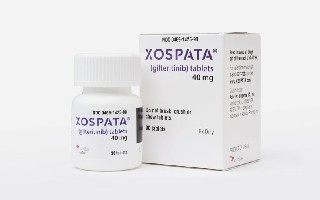
Gilteritinib (gilteritinib) is a FLT3 (Fms-like tyrosine kinase3
1. Common side effects
1.Myalgia/Arthralgia: This is one of the most common adverse reactions of giritinib. Patients may feel pain and discomfort in muscles or joints.
2. Elevated transaminase: This indicates that the drug may have a certain impact on the liver, and liver function needs to be closely monitored.
3.Fatigue/Discomfort: Patients may feel unusually tired or generally unwell.
4.Fever and non-infectious diarrhea: These are also relatively common adverse reactions.
5. Dyspnea: Some patients may have difficulty breathing after taking giritinib.
6.Eedema: including peripheral edema, which may be a side effect of drugs.
7.Skin rash: The skin may appear red or itchy.
8.Nausea, vomiting, and headache: These symptoms may also occur after taking giritinib.
2. Relatively rare but serious side effects
In addition to the common side effects mentioned above, giritinib may also cause some more serious side effects, including but not limited to:
1. Differentiation syndrome: manifested by fever, dyspnea, hypoxia, pulmonary infiltration, etc. If such symptoms occur, immediate initiation of corticosteroid therapy and hemodynamic monitoring is required.
2.Hypersensitivity reaction: Some patients may have allergic reactions to giritinib.
3.Immunological reactions: such as pneumonia and sepsis. The incidence of pneumonia is about 15%, and the incidence of sepsis is also about 15%.
4.Electrocardiogram changes: Giritinib may cause QT interval prolongation and arrhythmia, so electrocardiogram needs to be monitored during use.
3. The severity of side effects and how to deal with them
Most side effects of giritinib are mild to moderate and can usually be controlled with appropriate medical management. Here are some suggested responses:
1.For myalgia/joint pain, consider using over-the-counter pain relievers or physical therapy to relieve symptoms.
2. Elevated transaminases require close monitoring. If the levels rise or even exceed the normal range, the drug dose may need to be adjusted or treatment suspended.
3.Fatigue/Discomfort can usually be relieved with rest and appropriate exercise.
4.Fever and noninfectious diarrhea may require symptomatic treatment, such as fever-reducing or antidiarrheal medications.
5.For dyspnea and edema, medication doses may need to be adjusted or medications such as diuretics may be used to relieve symptoms.
6.Skin rashes can usually be relieved by using anti-allergy medications or topical medications.
7.Nausea, vomiting, and headaches can be treated symptomatically with antiemetics and analgesics.
8.More serious side effects, such as differentiation syndrome, hypersensitivity reactions, and immunological reactions, require immediate medical attention and may require hospitalization. The doctor will develop a corresponding treatment plan based on the patient's specific situation, which may include the use of corticosteroids, antibiotics, anti-allergic drugs, etc.
Most side effects of giritinib are mild to moderate and can be managed with appropriate medical management. More serious side effects require immediate medical attention and may require hospitalization. During the use of giritinib, patients should closely monitor their physical condition and report any discomfort or abnormal reactions to their doctors in a timely manner so that the treatment plan can be adjusted in a timely manner and the patient's safety can be ensured.
[ 免责声明 ] 本页面内容来自公开渠道(如FDA官网、Drugs官网、原研药厂官网等),仅供持有医疗专业资质的人员用于医学药学研究参考,不构成任何治疗建议或药品推荐。所涉药品可能未在中国大陆获批上市,不适用于中国境内销售和使用。如需治疗,请咨询正规医疗机构。本站不提供药品销售或代购服务。


