
.jpeg)
Therapeutic effects of venetoclax and cytarabine
Venetoclax and cytarabine are two drugs used to treat different conditions, and they each have certain therapeutic effects.
Venetoclax is a small molecule targeted drug. Its main mechanism of action is to induce apoptosis of cancer cells by blocking the expression of Bcell lymphoma factor2 (BCL-2) protein. This mechanism allows venetoclax to show significant efficacy in the treatment of certain leukemias, such as chronic lymphocytic leukemia (CLL) and acute myeloid leukemia (AML).
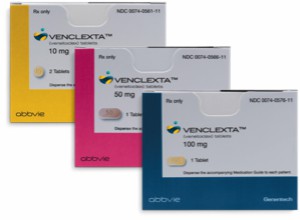
In clinical trials, the overall response rate (ORR) of venetoclax combined with other drugs to treat CLL was as high as 90%above, of which the complete remission rate (CR) is 30%~50%. In addition, the long-term efficacy of venetoclax in treating CLL is also considerable, and the progression-free survival (PFS) can reach 5 or more.
When venetoclax was combined with azacitidine, patients' risk of death was reduced by 34% compared with azacitidine alone, and patients' overall survival was significantly prolonged. This finding was confirmed in the results of a Phase 3 clinical trial published in the New England Journal of Medicine.
Cytarabine mainly exerts anti-tumor effects by inhibiting DNA synthesis. It can competitively inhibit the conversion of guanine into cytosine, thereby blocking the synthesis of DNA molecules and leading to tumor cell death. This mechanism makes cytarabine an effective drug in the treatment of acute leukemia, myelodysplastic syndrome and other diseases.
In addition to its anti-tumor effect, cytarabine also has immunosuppressive effects, promotes the proliferation of hematopoietic stem cells, and interferes with RNA synthesis. These effects make cytarabine also have certain applications in preventing rejection after organ transplantation and improving anemia, leukopenia and thrombocytopenia.
[ 免责声明 ] 本页面内容来自公开渠道(如FDA官网、Drugs官网、原研药厂官网等),仅供持有医疗专业资质的人员用于医学药学研究参考,不构成任何治疗建议或药品推荐。所涉药品可能未在中国大陆获批上市,不适用于中国境内销售和使用。如需治疗,请咨询正规医疗机构。本站不提供药品销售或代购服务。


