
.jpeg)
Principle of action of sotoracib (AMG510) targeted drug
Sotorasiib (AMG510), as a cutting-edge anti-tumor drug, has shown significant efficacy in non-small cell lung cancer. So, how does this drug work? This is mainly due to its precise targeting of key links in cancer cell proliferation and migration.
Sotoraxib can effectively inhibit the activity of epidermal growth factor receptor (EGFR). EGFR is highly expressed on the surface of various tumor cells and plays a role in regulating cell growth, survival and migration. Sotoracib can tightly bind to EGFR and block its signal transmission, thus inhibiting the proliferation of tumor cells.
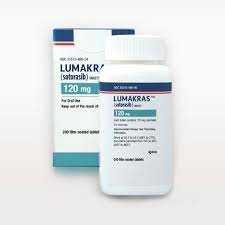
Sotoracib also has the ability to inhibit vascular endothelial growth factor receptor (PDGFR). PDGFR plays an important role in the vascularization process of tumors. Inhibiting it can cut off the nutrient supply line of tumors, that is, reduce the blood supply of tumors, thereby curbing their growth rate.
Another major effect of sotoraxib is to inhibit tumor angiogenesis. By interfering with related signaling pathways such as vascular endothelial growth factor receptor (VEGFR), drugs can destroy the blood circulation system inside tumors, making it difficult for tumor cells to survive due to lack of oxygen and nutrition.
In general, sotorasibu accurately strikes the lifeline of lung cancer cells through the comprehensive effect of multiple channels and multiple targets. Its unique mechanism of action makes this drug stand out in the treatment of lung cancer. However, side effects such as rash, diarrhea, and fatigue are inevitable with any medication. Therefore, during the use of sotoraxib, close monitoring by doctors and timely feedback from patients are required to ensure the safety and effectiveness of the treatment.
[ 免责声明 ] 本页面内容来自公开渠道(如FDA官网、Drugs官网、原研药厂官网等),仅供持有医疗专业资质的人员用于医学药学研究参考,不构成任何治疗建议或药品推荐。所涉药品可能未在中国大陆获批上市,不适用于中国境内销售和使用。如需治疗,请咨询正规医疗机构。本站不提供药品销售或代购服务。


