
.jpeg)
Is venetoclax effective in treating refractory autoimmune hemolytic anemia?
Venetoclax (Venetoclax), as a BCL-2 inhibitor, has attracted widespread attention in the field of tumor treatment in recent years. Although it is primarily used to treat chronic lymphocytic leukemia (CLL) and acute myeloid leukemia (AML), its use in treating other blood-related diseases, such as refractory autoimmune hemolytic anemia, has also attracted attention.
Autoimmune hemolytic anemia is caused by the immune system mistakenly attacking red blood cells. By inhibiting the BCL-2 protein, venetoclax can induce apoptosis in abnormal cells, which may include abnormal immune cells that attack red blood cells, thereby helping to control the hemolysis process.
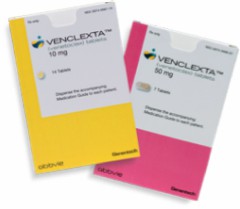
Although there are relatively few clinical data on the direct treatment of refractory autoimmune hemolytic anemia with venetoclax, existing studies have shown that some patients' hemolytic symptoms were significantly improved after receiving venetoclax treatment. For example, in some clinical trials, patients taking venetoclax experienced steady increases in their red blood cell counts and reduced need for transfusions, both signs that the treatment was effective.
When using venetoclax, you also need to pay attention to its possible side effects. Common side effects include neutropenia, nausea, diarrhea, and fatigue. Although most of these side effects are controllable, close monitoring and timely adjustments to the treatment plan are still required during the treatment process. In addition, for some patients, more serious side effects may occur, such as pneumonia and autoimmune hemolytic anemia, which require doctors to conduct risk assessment and treatment adjustments based on the patient's specific situation.
[ 免责声明 ] 本页面内容来自公开渠道(如FDA官网、Drugs官网、原研药厂官网等),仅供持有医疗专业资质的人员用于医学药学研究参考,不构成任何治疗建议或药品推荐。所涉药品可能未在中国大陆获批上市,不适用于中国境内销售和使用。如需治疗,请咨询正规医疗机构。本站不提供药品销售或代购服务。


