
.jpeg)
Ritexitinib uses, dosage, side effects, contraindications, etc.
1. Purpose
Ritlecitinib is an oral kinase inhibitor developed by the world-renowned Pfizer. It is primarily used to treat a variety of autoimmune diseases, including alopecia areata, vitiligo, ulcerative colitis, and Crohn's disease. Especially in the treatment of severe alopecia areata, ritexitinib has shown significant efficacy. The drug modulates the immune system's overreaction by inhibiting specific kinase activity, thereby reducing autoimmune attacks and helping to restore normal hair growth.
2. Dosage
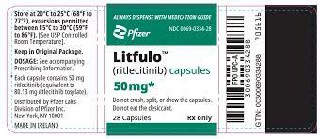
The recommended dosage of ritixitinib is 1 times a day, 50mg each time. This dosage can be adjusted based on your doctor's advice, but is generally recommended for adults and adolescent patients 12 years of age and older. Medications can be taken with or without food, providing patients with flexibility in dosing. It is important that patients swallow the capsule whole and do not crush, break or chew it to ensure slow release and stable absorption of the drug in the intestine.
3. Side effects
While ritexitinib is excellent at treating autoimmune diseases, patients may experience some side effects while using it. Common side effects include skin adverse reactions, such as acne, rash, urticaria, etc.; gastrointestinal adverse reactions, such as diarrhea; and systemic adverse reactions, such as headache, fever, dizziness, etc. In addition, there are reports that the use of ritexitinib may increase the risk of serious infections, malignancies, cardiovascular events, and thrombosis.
In particular, use of ritexitinib may increase the risk of serious infections, including bacterial, viral, and opportunistic infections. If serious infection occurs, treatment should be discontinued immediately and medical help should be sought. At the same time, there have been reports of malignant tumors in patients treated with ritexitinib. Although the specific correlation needs further study, patients should undergo regular physical examinations to detect and treat any potential tumors in a timely manner.
4. Contraindications
There are also some contraindications to the use of ritexitinib that require special attention. First, the drug should be contraindicated in patients who are allergic to rituxitinib or any of its excipients. Second, because the drug may increase the risk of infection, it should be used with caution or avoided in patients with an active infection or a recent history of infection. In addition, concomitant use of ritexitinib with other potent immunosuppressives or biological immunomodulators may increase the risk of adverse reactions, and therefore concurrent use is not recommended. Finally, pregnant and lactating women should consult a doctor before use to ensure the safety and rationality of the medication.
5. Other matters needing attention
In addition to the above-mentioned contraindications and side effects, patients also need to pay attention to the following points when using ritexitinib: First, blood routine, liver function and other indicators should be regularly monitored to detect and deal with potential adverse drug reactions in a timely manner; second, patients should maintain good living and dietary habits during medication to enhance body immunity and reduce the occurrence of adverse reactions; finally, if any uncomfortable symptoms or suspected adverse drug reactions occur, they should seek medical advice immediately and consult a doctor.
[ 免责声明 ] 本页面内容来自公开渠道(如FDA官网、Drugs官网、原研药厂官网等),仅供持有医疗专业资质的人员用于医学药学研究参考,不构成任何治疗建议或药品推荐。所涉药品可能未在中国大陆获批上市,不适用于中国境内销售和使用。如需治疗,请咨询正规医疗机构。本站不提供药品销售或代购服务。


