
.jpeg)
What will happen once resistance to Osimertinib/Tagrisso targeted drugs
Since being approved by the U.S. Food and Drug Administration (FDA) as a first-line treatment for EGFR+ non-small cell lung cancer (NSCLC) in 2018, Osimertinib/Tagressa has been the preferred treatment and effective standard of care for the treatment of EGFR+ non-small cell lung cancer (NSCLC). This is a tyrosine kinase inhibitor (TKI) that blocks the growth and spread of cancer cells by targeting mutations or abnormal changes in the EGFR protein. Although many people respond well to osimertinib, many may eventually encounter drug resistance during their lung cancer treatment.
In many cases, osimertinib continues to exert its effect in the primary tumor and can be used as adjuvant or complementary therapy when targeting established metastases or distant disease. One example includes the combination of osimertinib and brain radiation therapy if smaller metastases have spread to the brain. Osimertinib has been shown to effectively cross the blood-brain barrier, which helps shrink and control lesions. If the cancer has spread to other areas but the disease is considered mild, local treatments, such as targeted radiation therapy or surgery, may be used while the primary cancer is still responding to osimertinib treatment.
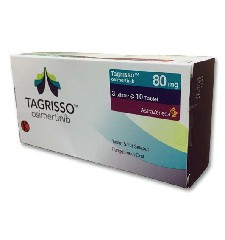
In cases where the cancer has spread to multiple sites and osimertinib is no longer effective, there are treatment options available. The Impower150 clinical trial provides evidence that some EGFR+ NSCLC patients who have progressed on EGFR-targeted therapies such as teglisol may benefit from immunotherapy combinations. Immunotherapy helps your own immune system fight cancer by identifying cancer cells and targeting them without destroying healthy cells in the body. One such combination is platinum doublet chemotherapy combined with a type of immunotherapy called a PD-L1 inhibitor. An example of this treatment regimen is Paraplatin (carboplatin) + Alimta (pemetrexed) + Keytruda (pembrolizumab).
Doctors may consider this option based on a patient's health, past response to treatment, and whether they have high levels ofPD-L1 expression (drugs may be more effective if cancer cells have more of this protein on their surfaces). Other systemic therapies include combination chemotherapy and VEGF inhibitors to block the growth of new blood vessels in tumor cells. Examples of this treatment regimen, including docetaxel (docetaxel) + silamiza (ramucirumab), have shown potential and are being studied as possible treatments after osimertinib resistance.
Clinical trials are another option when a person is going through treatment progression and wants to learn about the different treatments available. If a patient is experiencing post-osimertinib progression of EGFR+ non-small cell lung cancer, these and other options can be discussed with the doctor to find the best next step in treatment.
[ 免责声明 ] 本页面内容来自公开渠道(如FDA官网、Drugs官网、原研药厂官网等),仅供持有医疗专业资质的人员用于医学药学研究参考,不构成任何治疗建议或药品推荐。所涉药品可能未在中国大陆获批上市,不适用于中国境内销售和使用。如需治疗,请咨询正规医疗机构。本站不提供药品销售或代购服务。


