
.jpeg)
Vigabatrin: Uses, Dosage, Side Effects, and Warnings
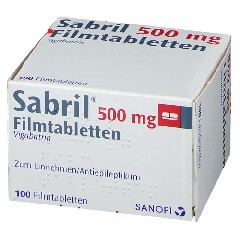
Sabril (generic name vigabatrin) is a drug primarily used to treat certain types of epilepsy.
1. Purpose
Vigabatrin is mainly used to treat two types of epilepsy:
1.Refractory complex partial seizures: This type of seizure usually does not respond well to other anti-epileptic drugs. Vigabatrin has been shown to be effective in reducing the frequency and severity of these types of seizures.
2.Infantile spasms: This is a severe epileptic encephalopathy in infants and young children. Vigabatrin is used as a treatment drug, especially in patients with tuberous sclerosis. Vigabatrin is a first-line drug recommended by international guidelines.
2. Dosage
The dose of Vigabatrin is adjusted according to the patient's age and weight:
1.Adults (17 years old and above):
The starting dose is usually 1000mg per day, taken in two divided doses.
Depending on efficacy, the dose may be increased by 500mg weekly until the recommended dose is reached 3000mg daily (1500mg twice daily).
Higher doses (e.g.6000mg per day) have not shown additional benefit and may increase the risk of adverse events.
2.Children (2 to 16 years old):
Recommended dosage is based on body weight and given in two divided doses.
The dose can be gradually increased at weekly intervals based on efficacy.
3.Treatment of infantile spasms:
The initial daily dose is 50mg/kg/day, given in two divided doses.
Subsequent doses may be increased based on clinical response, up to a maximum of 150mg/kg/day, also in two divided doses.
3. Side effects
Vigabatrin side effects may include:
1.Central nervous system reactions: such as drowsiness, fatigue, dizziness, etc. These reactions are often related to the drug's depressant effects on the central nervous system.
2.Weight gain: Long-term use of Vigabatrin may lead to weight gain.
3.Gastrointestinal reactions: including nausea, vomiting, diarrhea, etc.
4.Visual problems: Some patients may have vision problems such as visual field defects and diplopia. Of particular note is that vigabatrin may cause irreversible concentric visual field loss, a side effect that is more common in adults.
5.Other side effects: also include headache, convulsions, nasopharyngitis, upper respiratory tract infection, depression, tremor, nystagmus, memory impairment, insomnia, irritability, abnormal coordination, blurred vision, rash, etc.
4. Warning
1.Contraindicated for pregnant and lactating women: Vigabatrin may cause harm to the fetus or infant, so pregnant and lactating women should avoid its use.
2.Use with caution in the elderly: Since the elderly may have reduced liver and kidney function and reduced drug metabolism and excretion capabilities, Vigabatrin should be used with caution and the dose may need to be adjusted.
3.Use with caution in patients with renal impairment: Renal impairment may affect the metabolism and excretion of Vigabatrin and increase the risk of drug accumulation in the body, so these patients should also use it with caution.
4.Risk of visual field loss: Vigabatrin may cause irreversible concentric visual field loss, especially in adults. Therefore, visual field changes should be monitored regularly during Vigabatrin use.
5.Discontinuation considerations: If no substantial clinical effect is observed within 3 months after starting treatment, discontinuation of Vigabatrin should be considered.
5.Avoid overdose: Overdose of Vigabatrin may cause significant central nervous system depression, such as coma or drowsiness. Therefore, patients should strictly follow the doctor's instructions and cannot adjust the dosage on their own.
[ 免责声明 ] 本页面内容来自公开渠道(如FDA官网、Drugs官网、原研药厂官网等),仅供持有医疗专业资质的人员用于医学药学研究参考,不构成任何治疗建议或药品推荐。所涉药品可能未在中国大陆获批上市,不适用于中国境内销售和使用。如需治疗,请咨询正规医疗机构。本站不提供药品销售或代购服务。


