
.jpeg)
COSMIC-312 trial of cabozantinib plus atezolizumab in HCC
Clinical researchers discuss key efficacy and safety data from the Phase 3 COSMIC-312 trial (NCT03755791) of cabozantinib plus atezolizumab as first-line treatment of hepatocellular carcinoma (HCC).
The open-label, randomizedCOSMIC-312 study compared cabozantinib plus atezolizumab with sorafenib in the first-line treatment of patients with HCC. The primary endpoints of the study were progression-free survival (PFS) and overall survival (OS) in the intention-to-treat population. In the first interim analysis, the combination of atezolizumab and cabozantinib did not show an improvement in median OS and therefore failed to meet the trial's primary endpoint. This result contrasts with that observed in the phase 3 IMbrave150 trial (NCT03434379) in HCC, which evaluated the VEGF-targeting drug bevacizumab in combination with atezolizumab.
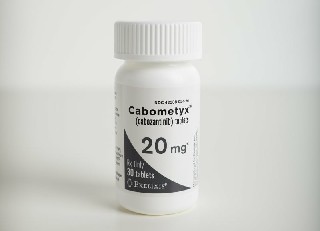
Of note, cabozantinib increased toxicity compared with sorafenib in atezolizumab treatment in COSMIC-312. The incidence of grade 3 or worse adverse reactions (AEs) was 57%, with 7% of patients in the study treatment group experiencing grade 4 AEs and 12% of patients experiencing grade 5 events. In addition, 60% of patients required a dose reduction of at least one drug, and approximately 14% of patients discontinued at least one drug due to AEs.
The observed safety profile of the COSMIC-312 regimen included the expected toxicities of cabozantinib, such as hypertension and diarrhea, as well as the immune-related AEs associated with atezolizumab, a pattern of adverse events that emphasizes the need for careful management and monitoring when combining VEGF-targeted TKIs and immune checkpoint inhibitors in the treatment of HCC.
AlthoughCOSMIC-312 did not show the expected efficacy benefit seen in other trials, but these findings provide insight into the challenges and considerations for using combination therapies in advanced HCC. The lack of improvement in OS in the COSMIC-312 trial highlights the complexity and variability when VEGF-targeting TKIs are used in immunotherapy combinations, emphasizing the challenge of identifying key targets or combinations required to achieve therapeutic benefit in HCC.
The original drug Cabozantinib is not marketed in the country and therefore cannot be included in medical insurance. The original cabozantinib drug marketed overseas includes Japanese, European and Turkish versions. The price of tablets may be more than 30,000 yuan, and the price of capsule preparations may be more than 40,000 yuan (prices may fluctuate due to exchange rates).
[ 免责声明 ] 本页面内容来自公开渠道(如FDA官网、Drugs官网、原研药厂官网等),仅供持有医疗专业资质的人员用于医学药学研究参考,不构成任何治疗建议或药品推荐。所涉药品可能未在中国大陆获批上市,不适用于中国境内销售和使用。如需治疗,请咨询正规医疗机构。本站不提供药品销售或代购服务。


