
.jpeg)
17 indications for the targeted drug larotinib
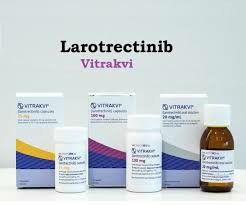
Larotrectinib (Larotrectinib) has emerged in the field of anti-cancer with its unique targeted therapeutic effect. As a therapeutic drug specifically targeting solid tumors carrying NTRK gene fusions, larotrectinib has shown significant clinical effects. NTRK gene fusion, this rare but devastating gene mutation, can lead to abnormal proliferation of tumor cells. Fortunately, larotrectinib brings new therapeutic hope to cancer patients by inhibiting the activity of this fusion protein.
Larotrectinib has been proven to be effective in treating a variety of cancer types. The following are 17 types:
1. Infantile fibrosarcoma: A malignant tumor common in infancy.
2. Congenital mesodermal nephroma: This is a kidney tumor that can be found at birth.
3. Soft tissue sarcoma: A malignant tumor that originates from soft tissue and can occur anywhere in the body.
4. Thyroid cancer: especially cases carryingNTRK gene fusions.
5. Pediatric neuroblastoma: A common malignant tumor in children.
6. Adult Neuroblastoma: Similar to childhood forms, but less common in adults.
7. Breast cancer: for cases carryingNTRK gene fusion.
8. Pancreatic cancer: Some pancreatic cancer patients may benefit fromNTRK gene fusion.
9. Lung cancer: It has a significant effect on lung cancer carryingNTRK gene fusion.
10. Gastrointestinal stromal tumors: including gastric cancer, colon cancer, etc.
11. Primary retroperitoneal tumor: a rare tumor that may also be associated withNTRK gene fusion.
12. Salivary gland cancer: A malignant tumor of the salivary glands.
13. Uterine sarcoma: A malignant tumor originating from the smooth muscle of the uterus.
14. Cholangiocarcinoma: A malignant tumor of the biliary system.
15. Nasopharyngeal cancer: Cancer that occurs in the nasopharynx.
16. Bladder cancer: A malignant tumor of the cells lining the bladder.
17. Mesothelioma: A rare tumor that originates in mesothelial cells.
It is worth noting that the treatment scope of larotrectinib is not limited to the above 17 types of cancer. As a therapeutic drug targeting NTRK gene fusion, its potential application areas are still being explored and expanded. Therefore, when doctors consider larotrectinib for treatment, they will determine the most appropriate treatment plan based on the patient's specific condition, genetic test results, and other relevant factors.
Overall, larotrectinib provides a new and effective treatment option for patients with cancers that carryNTRK gene fusions. With the deepening of research and the accumulation of clinical data, we expect this drug to benefit more cancer patients in the future.
[ 免责声明 ] 本页面内容来自公开渠道(如FDA官网、Drugs官网、原研药厂官网等),仅供持有医疗专业资质的人员用于医学药学研究参考,不构成任何治疗建议或药品推荐。所涉药品可能未在中国大陆获批上市,不适用于中国境内销售和使用。如需治疗,请咨询正规医疗机构。本站不提供药品销售或代购服务。


