
.jpeg)
Is lenalidomide effective in treating ascites?
Lenalidomide mainly works by regulating the immune system. It can enhance the activity of immune cells, thereby inhibiting the growth and spread of tumor cells. In addition, lenalidomide can also achieve anti-tumor effects by inhibiting angiogenesis and inducing tumor cell apoptosis. These mechanisms of action allow lenalidomide to have certain efficacy in the treatment of various tumors.
Ascites, especially cancerous ascites, is one of the common complications in patients with advanced malignant tumors. At present, clinical treatment of ascites mainly includes aspiration of abdominal effusion, drug therapy, radiotherapy, and chemotherapy. Among these treatments, drug treatment is an important link. Lenalidomide, as an immunochemotherapy drug, is sometimes used as an adjuvant treatment for ascites.
However, there are currently no large-scale clinical studies confirming the significant efficacy of lenalidomide in the treatment of ascites. Some small-scale studies or case reports have shown that some patients have experienced some relief of ascites symptoms after using lenalidomide. However, the reliability and generalizability of these research results still need to be further verified.
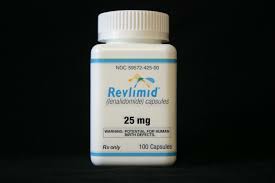
There are various causes of ascites, including cirrhosis, cancer, cardiovascular disease, etc. Different causes of ascites may respond differently to lenalidomide. For example, for ascites caused by cancer, lenalidomide may reduce the formation of ascites by inhibiting the growth of tumor cells; while for ascites caused by other causes, lenalidomide may not be as effective.
The patient's overall health also plays an important role in how well lenalidomide works. Patients with good physical condition and strong immunity may be more able to tolerate and benefit from lenalidomide treatment; while patients with poor physical condition and low immunity may not respond well to lenalidomide and may even experience serious side effects.
Lenalidomide is usually not used alone to treat ascites but as part of a comprehensive treatment regimen. Therefore, the comprehensiveness of the treatment regimen will also affect the efficacy of lenalidomide. A reasonable comprehensive treatment plan can maximize the efficacy of lenalidomide and reduce the occurrence of side effects.
Although lenalidomide may have an auxiliary effect in the treatment of ascites to a certain extent, a variety of side effects may occur during its use, such as nausea, vomiting, abdominal pain, bloating, constipation, diarrhea, indigestion, etc. Therefore, caution should be used when using lenalidomide, and dose adjustment and treatment optimization should be made based on the patient's specific conditions.
In addition, it is worth noting that lenalidomide is a serious teratogenic drug and is potentially harmful to pregnant women and fetuses. Therefore, pregnant women and women trying to become pregnant should not take this drug.
Caution should be used when using lenalidomide to treat ascites in clinical practice, and a personalized treatment plan should be developed based on the patient's specific situation. More high-quality clinical studies are needed in the future to further evaluate the efficacy and safety of lenalidomide in the treatment of ascites. At the same time, more effective treatments for ascites need to be explored to meet patients' needs and improve quality of life.
[ 免责声明 ] 本页面内容来自公开渠道(如FDA官网、Drugs官网、原研药厂官网等),仅供持有医疗专业资质的人员用于医学药学研究参考,不构成任何治疗建议或药品推荐。所涉药品可能未在中国大陆获批上市,不适用于中国境内销售和使用。如需治疗,请咨询正规医疗机构。本站不提供药品销售或代购服务。


