
.jpeg)
Detailed description of the similarities and differences between acalabrutinib and zanubrutinib
In the medical field, the research and application of anti-cancer drugs have always attracted much attention. Acalabrutinib and Zanubrutinib, two new anti-cancer drugs, have shown remarkable results in the treatment of lymphoma and leukemia. This article will explore in detail the similarities and differences between these two drugs.
First of all, in terms of drug class and mechanism of action, both acalabrutinib and zanubrutinib are Bruton's tyrosine kinase (BTK) inhibitors. This means that they can all interfere with the signaling pathways of cancer cells by blocking the activity of BTK, thereby inhibiting the growth and spread of cancer cells. This mechanism of action makes them promising for the treatment of hematological malignancies such as lymphoma and leukemia.
However, despite similarities in drug classes and mechanisms of action, there are clear differences in their pharmacological properties, clinical applications, and side effects.
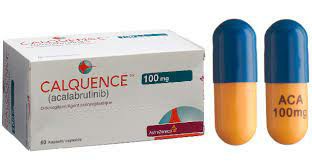
From the perspective of pharmacological properties, acalabrutinib is a selectiveBTK inhibitor. While inhibiting BTK, it has relatively few interactions with other non-tumor cells, thus reducing the occurrence of adverse reactions. Zanubrutinib is a powerful BTK inhibitor that can form complete and lasting precise inhibition of BTK targets and has a stronger therapeutic effect.
In clinical application, acalabrutinib is used to treat chronic lymphocytic leukemia (CLL), small lymphocytic lymphoma (SLL) and CLL. Zanubrutinib is used to treat cases of CLL, SLL, CLL and WM. In addition, the dosage of the two is also different. Acalabrutinib is usually taken twice a day (about 12 hours apart), 100 mg each time. The recommended dosage of zanubrutinib for patients with MCL and CLL/SLL is two 80 mg capsules taken orally twice daily.
In terms of side effects, common side effects of acalabrutinib include headache, fatigue, diarrhea, etc., while zanubrutinib may cause neutropenia, leukopenia, thrombocytopenia and other adverse reactions. These side effects require individualized assessment and management based on the patient's specific circumstances.
In summary, acalabrutinib and zanubrutinib have similarities in drug categories and mechanisms of action, but there are obvious differences in pharmacological properties, clinical applications, and side effects. Doctors need to comprehensively consider and evaluate the patient's specific conditions when choosing medications.
[ 免责声明 ] 本页面内容来自公开渠道(如FDA官网、Drugs官网、原研药厂官网等),仅供持有医疗专业资质的人员用于医学药学研究参考,不构成任何治疗建议或药品推荐。所涉药品可能未在中国大陆获批上市,不适用于中国境内销售和使用。如需治疗,请咨询正规医疗机构。本站不提供药品销售或代购服务。


