
.jpeg)
Can cabozantinib treat prostate cancer?
Cabozantinib capsule (Cabozantinib) is a multi-target receptor tyrosine kinase that mainly has methionine and vascular endothelial growth factor inhibitory properties. It is currently approved by the U.S. Food and Drug Administration (FDA) for the treatment of progressive metastatic medullary thyroid carcinoma (MTC). The drug has a convenient once-daily oral dosing regimen and has shown encouraging activity in metastatic castration-resistant prostate cancer (CRPC).
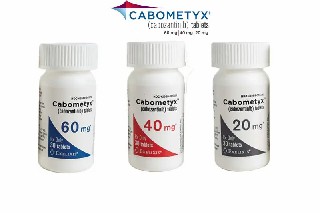
In metastatic castration-resistant prostate cancer, aPhase I/II trial demonstrated response to soft tissue, visceral disease, and bone metastases. The observed objective response rate was 5%, the stable disease rate was 75%, and the median progression-free survival was 6 months. Compared with the 140 mg daily dose used in thyroid cancer, a lower daily dose of 60 mg is currently used in prostate cancer studies because toxicity can be reduced without compromising efficacy. Randomized trials are ongoing comparing prednisone or mitoxantrone with prednisone in pretreatment metastatic castration-resistant prostate cancer. In the crowded therapeutic field of prostate cancer, cabozantinib has demonstrated a unique mechanism of action and preliminary efficacy.
Cabozantinib may face some challenges in clinical application as multiple therapies have recently shown a benefit in overall survival in patients with metastatic CRPC. Currently, it's unclear what proportion of prostate cancer patients will qualify for this treatment in this rapidly evolving field. The cost of cabozantinib may be another barrier, especially if it remains more expensive than other oral therapies, such as abiraterone and enzalutamide.
[ 免责声明 ] 本页面内容来自公开渠道(如FDA官网、Drugs官网、原研药厂官网等),仅供持有医疗专业资质的人员用于医学药学研究参考,不构成任何治疗建议或药品推荐。所涉药品可能未在中国大陆获批上市,不适用于中国境内销售和使用。如需治疗,请咨询正规医疗机构。本站不提供药品销售或代购服务。


