
.jpeg)
How long can I take Regorafenib?
Regorafenib (Regorafenib) is a multikinase inhibitor used primarily to treat certain types of cancer, such as colorectal cancer and gastrointestinal stromal tumors (GIST). Regarding the usage time of regorafenib , it has been discussed in clinical trials and practical applications.
The duration of use of regorafenib depends primarily on the patient's tolerance to the drug, management of side effects, and disease progression. Typically, regorafenibis given as a cyclic course of 160mg orally once daily for 21 days followed by 7 days of rest. This "21days of taking medication and 7off days" cycle is called a treatment cycle.
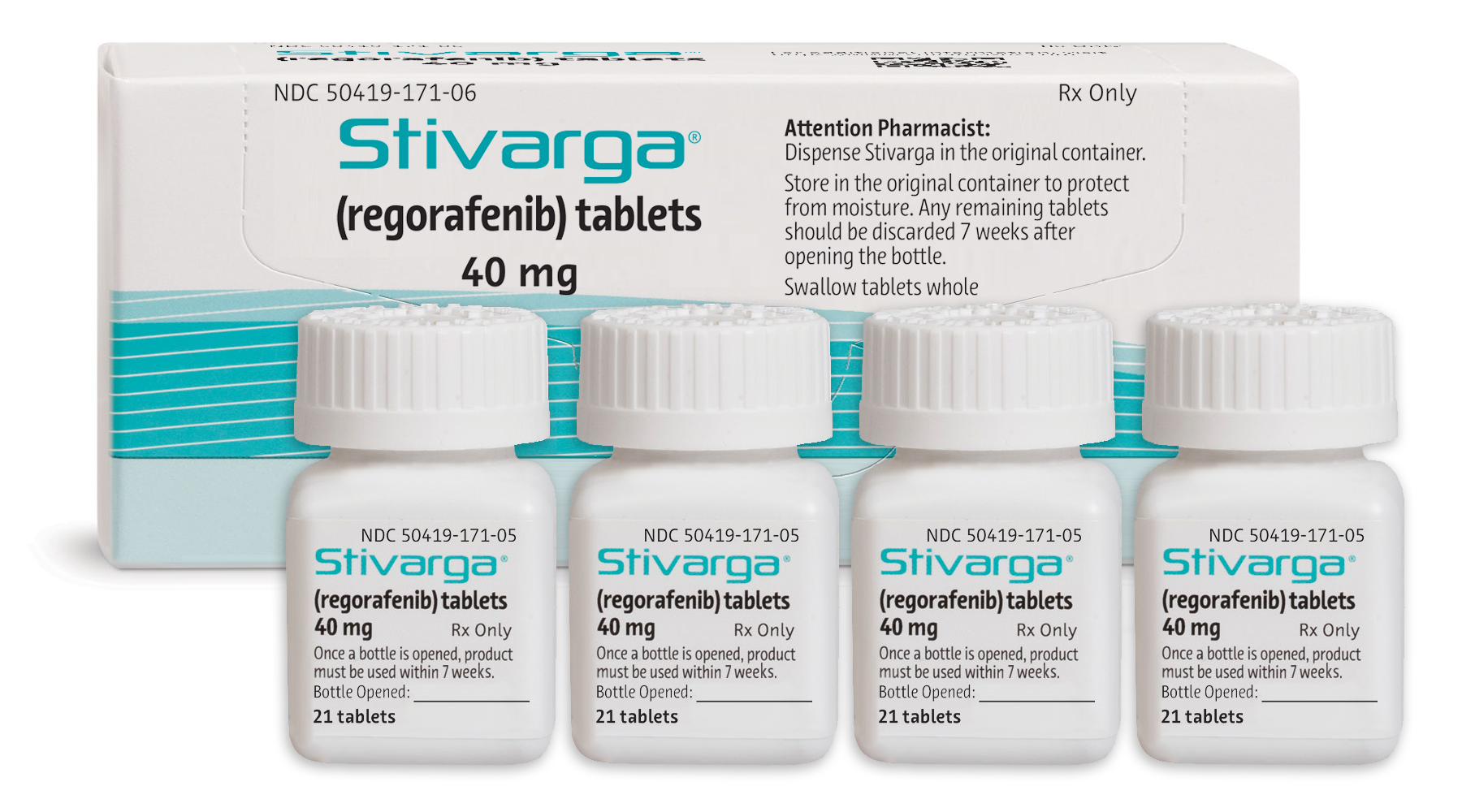
In clinical trials, the treatment cycle of regorafenib will be adjusted according to the specific situation of the patient. For example, in the Phase III CORRECT study, patients with metastatic colorectal cancer treated with regorafenib had a median treatment duration of 2.8 months. However, there are also patients who continue to take regorafenib for more than a year or even longer with good tolerance. Another GRID study on patients with advanced gastrointestinal stromal tumors showed that the median progression-free survival was 4.8 months, but this does not represent the upper limit of medication time for all patients.
Long-term use of regorafenib may present several challenges, primarily including managing drug-related side effects. Common side effects include hand-foot skin reaction, hypertension, fatigue, diarrhea, oral mucositis, etc. In order to reduce the impact of these side effects, medical staff often adjust the dose or temporarily discontinue the drug based on the patient's specific condition. For example, if a patient develops a severe hand-foot skin reaction, the doctor may recommend reducing the dose or suspending the medication until symptoms subside before resuming the medication.
In short, the maximum use time of regorafenib does not have a fixed upper limit, but is determined based on the principle of individualized treatment and based on the patient's tolerance, disease progression and treatment effect. In clinical practice, doctors will consider various factors to formulate a medication plan that is most suitable for patients in order to maximize drug efficacy and minimize side effects. Patients should maintain close communication with their doctors during medication and promptly report any discomfort or abnormalities so that necessary adjustments can be made.
[ 免责声明 ] 本页面内容来自公开渠道(如FDA官网、Drugs官网、原研药厂官网等),仅供持有医疗专业资质的人员用于医学药学研究参考,不构成任何治疗建议或药品推荐。所涉药品可能未在中国大陆获批上市,不适用于中国境内销售和使用。如需治疗,请咨询正规医疗机构。本站不提供药品销售或代购服务。


