
.jpeg)
Will relapse occur quickly after stopping ibrutinib?
Ibrutinib is an oral Bruton's tyrosine kinase (BTK) inhibitor that can be used to treat chronic lymphocytic leukemia (CLL), small lymphocytic lymphoma (SLL), Waldenstrom's macroglobulinemia (WM) and other malignant tumors. It provides patients with an effective treatment option by blocking BTK activity and reducing the survival and spread of cancerous B cells. At present, the issue of whether there will be rapid relapse after discontinuation of ibrutinib has always been the focus of attention of patients and doctors, and this article will explain it.
First of all, patients need to understand that whether relapse will occur after stopping ibrutinib depends on many factors. Among them, the patient's disease severity, response during treatment, care after drug withdrawal, and lifestyle may all affect the risk of recurrence.
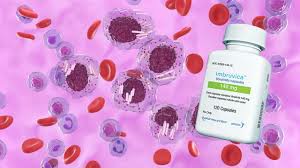
For patients with mild disease, if the disease is effectively controlled during treatment with ibrutinib and good living habits and care can be maintained after stopping the drug, the risk of recurrence is relatively low. Such patients may be able to maintain a stable condition for a longer period of time after stopping the drug.
However, for patients with more severe disease, especially those who have poor response to ibrutinib treatment or have developed drug resistance, the risk of relapse after discontinuation of ibrutinib is relatively high. When these patients stop taking the drug, their condition may worsen rapidly, leading to rapid disease relapse.
In addition, post-drug care and lifestyle also have an important impact on the risk of relapse. If the patient can pay attention to maintaining good living habits, such as quitting smoking, quitting drinking, avoiding overexertion, etc., and conducting regular reexamination and follow-up, the risk of recurrence may be reduced. Conversely, if patients do not pay attention to care and lifestyle adjustments, the risk of recurrence may increase.
It is worth noting that whether relapse occurs after discontinuation of ibrutinib does not entirely depend on the patient himself. Doctors need to develop a personalized treatment plan based on the patient's specific conditions during the treatment process, and conduct close follow-up and observation of the patient after stopping the medication. At the same time, patients also need to actively cooperate with doctors’ treatment recommendations to reduce the risk of recurrence.
In summary, the risk of relapse after discontinuation of ibrutinib is a complex and variable issue. Patients need treatment and care under the guidance of doctors to reduce the risk of recurrence and improve quality of life. It is reported that ibrutinib not only sells the original drug version, but also launched more affordable generic versions in Laos and other countries to meet the different treatment needs of patients. Please choose by yourself.
[ 免责声明 ] 本页面内容来自公开渠道(如FDA官网、Drugs官网、原研药厂官网等),仅供持有医疗专业资质的人员用于医学药学研究参考,不构成任何治疗建议或药品推荐。所涉药品可能未在中国大陆获批上市,不适用于中国境内销售和使用。如需治疗,请咨询正规医疗机构。本站不提供药品销售或代购服务。


