
.jpeg)
How effective is Ivonib tablets in the treatment of myeloid leukemia?
Avosidenib tablets, as a new type of targeted therapy, have attracted widespread attention in the field of myeloid leukemia treatment in recent years. This drug specifically targets IDH1 mutated leukemia cells and achieves anti-tumor effects by inhibiting the activity of mutated isocitrate dehydrogenase -1 (IDH1).
Avosidenib tablets have shown significant efficacy in the treatment of myeloid leukemia patients carrying IDH1 mutations. In a clinical trial, ivonib tablets were able to significantly improve patients' overall survival and disease progression-free survival, which brings new treatment options and hope to patients. At the same time, ivonib tablets are also well tolerated, allowing patients to maintain a good quality of life during treatment.
Compared with traditional chemotherapy drugs, ivonib tablets have higher targeting and lower toxic side effects. Conventional chemotherapy drugs often cause great damage to normal cells, causing patients to suffer serious side effects, such as nausea, vomiting, hair loss, etc. Ivonib tablets can act on mutant cells more accurately and reduce damage to normal cells, thus reducing the incidence of side effects.
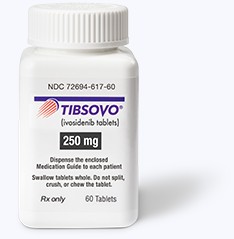
Avosidenib tablets are mainly used to treat adult patients with relapsed or refractory acute myeloid leukemia (R/R AML) who carry IDH1 mutations. Before treatment with ivonib tablets, the patient's IDH1 mutation status must be determined through a fully validated detection method. The recommended dose is 500 mg once daily, on an empty stomach or after meals, until disease progression or intolerable toxicity occurs.
Multiple clinical trial data provide strong support for the efficacy of ivonib tablets. For example, in a clinical trial of elderly patients with acute myeloid leukemia, ivosidenib tablets significantly improved overall survival and progression-free survival compared with standard treatment. In addition, in another global phase III study, newly diagnosed AML patients with ivonib tablets combined with azacitidine also achieved positive results, with the median overall survival extended to 29.3 months, further confirming the continued benefits of ivonib tablets as first-line treatment.
Although there may be some adverse reactions during treatment with ivonib tablets, overall, its safety is relatively high. Common adverse reactions include nausea, diarrhea, fatigue, etc., but they are usually mild and controllable. During treatment, doctors will closely monitor the patient's response and adjust the treatment plan to mitigate side effects.
With a deeper understanding of the molecular mechanisms of leukemia cells and the continuous emergence of new targeted therapeutic drugs, ivonib tablets are expected to play a greater role in the treatment of myeloid leukemia. In the future, we look forward to further research to better understand the mechanism of action of ivonib tablets and optimize treatment options, so as to provide better treatment options for patients with acute myeloid leukemia.
Avosidenib tablets, as a new type of targeted therapy, have shown significant efficacy and good tolerability in the treatment of myeloid leukemia patients carrying IDH1 mutations. By inhibiting the activity of mutated IDH1 enzyme, ivonib tablets provide new treatment hope for these patients.
[ 免责声明 ] 本页面内容来自公开渠道(如FDA官网、Drugs官网、原研药厂官网等),仅供持有医疗专业资质的人员用于医学药学研究参考,不构成任何治疗建议或药品推荐。所涉药品可能未在中国大陆获批上市,不适用于中国境内销售和使用。如需治疗,请咨询正规医疗机构。本站不提供药品销售或代购服务。


