
.jpeg)
How long does platinib take to treat lung cancer?
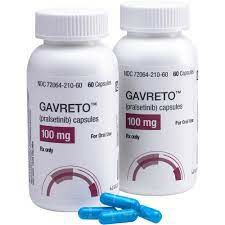
Pralsetinib, also known as GAVRETO, is a once-daily targeted therapy for patients with RET-positive metastatic non-small cell lung cancer (NSCLC) or advanced thyroid cancer (TC) that has spread. The safety and effectiveness of platinib in pediatric patients or patients <12 years of age have not been established. Platinib is not a chemotherapy, immunotherapy, or multikinase inhibitor. It can be taken orally once a day at home. Remember to take Platinib on an empty stomach and do not eat 2 hours before and 1 hour after.
Platinib targets the abnormalRET gene. RET is a gene found in every human cell. Genes are segments of DNA. But in certain types of cancer cells, the RET gene is abnormal. Abnormal RET genes drive uncontrolled growth of cancer cells. Platinib blocks the uncontrolled growth caused by the cancer's abnormal RET gene. This may help slow the growth and spread of cancer. It previously showed clinical activity in patients with RET fusion-positive non-small cell lung cancer (including treatment-naïve patients) in the phase I/II ARROW study.
ARROW is a multi-cohort, open-label, Phase I/II study. Eligible patients were ≥18 years of age, had locally advanced or metastatic solid tumors, and had an Eastern Cooperative Oncology Group performance status of 0-2 (later 0-1). Patients were initiated on platinib at the recommended Phase II dose of 400 mg once daily until disease progression, intolerance, withdrawal of consent, or investigator decision. The co-primary endpoints (Phase II) were blinded independent central review of overall response rate (ORR) and safety.
The resultsshowed that the ORR in patients who did not receive treatment was 72% [54/75; 95% confidence interval (CI) 60%-82%], and the ORR in patients who had previously received platinum-based chemotherapy was 59% (80/136; 95%CI 50%-67%); the median duration of response in patients who did not receive treatment was not reached, and it was 22.3 months in patients who had previously received platinum-based chemotherapy. Tumor shrinkage was observed in all treatment-naïve patients and in 97% of patients who had received prior platinum-based chemotherapy; median progression-free survival was 13.0 months and 16.5 months, respectively. Among patients with measurable intracranial metastases, the intracranial response rate was 70% (7/10; 95% CI 35% to 93%); all patients had received prior systemic therapy.
Initiation of platinib at data cutoffAmong treatment-naive patients (n=116) with RET fusion-positive NSCLC, the most common grade 3-4 treatment-related adverse events (TRAEs) were neutropenia (18%), hypertension (10%), elevated blood creatine kinase (9%), and lymphopenia (9%). Overall, 7% (20/281) discontinued treatment due to TRAEs.
Platinib treatment produced robust efficacy and was well tolerated in treatment-naïve patients with advanced RET fusion-positive non-small cell lung cancer.
[ 免责声明 ] 本页面内容来自公开渠道(如FDA官网、Drugs官网、原研药厂官网等),仅供持有医疗专业资质的人员用于医学药学研究参考,不构成任何治疗建议或药品推荐。所涉药品可能未在中国大陆获批上市,不适用于中国境内销售和使用。如需治疗,请咨询正规医疗机构。本站不提供药品销售或代购服务。


