
.jpeg)
What is the primary therapeutic target of lorlatinib?
Lorlatinib (lorlatinib) , as a third-generation targeted therapy drug, is specially designed for patients with ALK (anaplastic lymphoma kinase)-positive non-small cell lung cancer (NSCLC). Its unique anti-tumor mechanism is mainly achieved by effectively inhibiting the activities of ALK kinase and ROS1 kinase.
In non-small cell lung cancer, ALK gene rearrangement or mutation is a key carcinogenic factor. This genetic mutation leads to abnormal production of the ALK protein, which activates signaling pathways involved in cancer cell growth and survival. According to statistics, the incidence rate of ALK gene rearrangement in NSCLC is about 3-5%. Although the ROS1 gene rearrangement appears less frequently in NSCLC, its carcinogenic effect cannot be ignored.
The main targets of lorlatinib are:
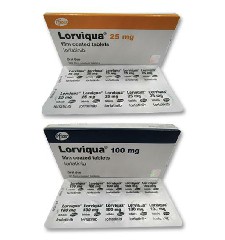
1.ALKkinase: Lorlatinib (lorlatinib) can highly selectively bind and inhibit ALK kinase, thereby blocking abnormal signaling triggered by ALK gene mutations and effectively curbing the proliferation and spread of tumor cells. It is worth mentioning that it has shown strong inhibitory ability against a variety of resistance ALK mutations that cause the failure of first- and second-generation ALK inhibitors, such as L1196M, G1202R, etc.
2.ROS1kinase: In addition to targeting ALKkinase, lorlatinib (lorlatinib) can also inhibitROS1kinase. Although its application focus is mainly on ALKpositiveNSCLC, the ROS1 gene rearrangement caused Cancer, the mechanism is similar to ALK rearrangement, so lorlatinib (lorlatinib) can also block these oncogenic signals by inhibiting ROS1 kinase.
Lorlatinib was originally developed to address resistance issues that had arisen from previous treatments. Although first-generation ALK inhibitors such as crizotinib are effective in the early stages of treatment, many patients often develop drug resistance after several months of treatment. Although second-generation ALK inhibitors such as alectinib and brigatinib can delay the development of drug resistance to a certain extent, they are still difficult to completely overcome certain drug-resistant mutations. It is against this background that lorlatinib (lorlatinib) has become an ideal choice for the treatment of patients with these drug-resistant mutations due to its broad ALK mutation suppression ability, especially its effectiveness against difficult-to-treat mutations such as G1202R. What is more worth mentioning is that lorlatinib also has the ability to cross the blood-brain barrier, so it has also shown significant therapeutic effects on ALKpositive NSCLC patients with brain metastasis, which undoubtedly brings hope for a better prognosis for patients.
[ 免责声明 ] 本页面内容来自公开渠道(如FDA官网、Drugs官网、原研药厂官网等),仅供持有医疗专业资质的人员用于医学药学研究参考,不构成任何治疗建议或药品推荐。所涉药品可能未在中国大陆获批上市,不适用于中国境内销售和使用。如需治疗,请咨询正规医疗机构。本站不提供药品销售或代购服务。


