
.jpeg)
Lorlatinib (lorlatinib) resistance problem analysis and countermeasures
Lorlatinib (Lolatinib), as a highly effective targeted drug for non-small cell lung cancer (NSCLC), is relied upon by the majority of patients. However, in practical applications, some patients may develop drug resistance after a period of use, which undoubtedly brings challenges to treatment. So, how long does it take for lorlatinib (lorlatinib) to develop resistance? Once drug resistance occurs, how should we respond?
Causes of drug resistance
Resistance to lorlatinib is not caused by a single factor, but may result from multiple genetic and epigenetic changes in tumor cells. These changes may include secondary mutations in the ALK gene, increased heterogeneity of tumor cells, or overexpression of drug efflux pumps. In addition, changes in the tumor microenvironment may also affect the effectiveness of drugs, leading to the development of drug resistance.
Treatment strategies after drug resistance
Whenlorlatinib resistance occurs, we can adopt the following strategies to deal with it:
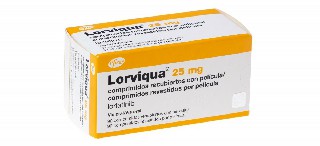
1.Re-molecular diagnosis: First, the patient's tumor tissue needs to be re-biopsied to clarify the current molecular characteristics, especially the status of the ALK gene. This helps us understand the specific mechanisms of drug resistance and provides guidance for subsequent treatment.
2.Adjust the treatment plan: Based on the results of molecular diagnosis, we can consider switching the treatment plan. For example, for ALKpositive patients, when lorlatinibis resistant, other ALKinhibitors can be considered, or a combination drug strategy can be tried to enhance the therapeutic effect.
3.Explore new treatment avenues: If conventional treatment options cannot overcome drug resistance, patients can consider participating in clinical trials and try some new treatments or drugs. This may lead to new treatment opportunities for patients.
4.Comprehensive supportive treatment: During the treatment process, we also need to pay attention to the patient's overall condition and provide necessary supportive treatment, such as nutritional support, psychological care, etc., to help patients better cope with the various challenges brought about by treatment.
Methods to prevent drug resistance
Of course, in addition to dealing with drug resistance, we also need to take measures to prevent the development of drug resistance:
1.Continuous monitoring: During the treatment process, we need to evaluate and monitor patients regularly to detect any possible signs of drug resistance in a timely manner. This helps us adjust treatment plans in a timely manner to prevent further development of drug resistance.
2.Rational drug use and management: Ensure that patients use drugs correctly according to doctor’s instructions and avoid excessive or insufficient use. At the same time, we also need to pay attention to the patients' lifestyle and provide necessary guidance and advice to help them maintain healthy living habits.
To sum up,lorlatinib (lorlatinib) resistance is a complex problem that requires us to consider and deal with it comprehensively from multiple aspects. Through reasonable diagnosis, treatment and support measures, we can effectively deal with the challenge of resistance to lorlatinib (lorlatinib) and provide patients with better treatment effects and quality of life.
[ 免责声明 ] 本页面内容来自公开渠道(如FDA官网、Drugs官网、原研药厂官网等),仅供持有医疗专业资质的人员用于医学药学研究参考,不构成任何治疗建议或药品推荐。所涉药品可能未在中国大陆获批上市,不适用于中国境内销售和使用。如需治疗,请咨询正规医疗机构。本站不提供药品销售或代购服务。


