
.jpeg)
Ponatinib is a first-generation targeted drug
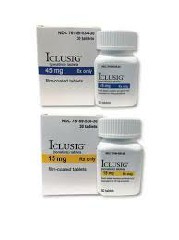
Ponatinib (Ponatinib) is a third-generation tyrosine kinase inhibitor and a new type of targeted therapy. The development of tyrosine kinase inhibitors has gone through several important stages, and each generation of drugs has its unique characteristics and indications.
First-generation tyrosine kinase inhibitors, such as imatinib, have revolutionized the treatment of chronic myeloid leukemia (CML) and other malignancies. However, over time, some patients develop resistance to first-generation drugs, prompting the development of second-generation drugs.
Second-generation tyrosine kinase inhibitors have been optimized in structure and mechanism of action to enhance the efficacy of the drug and attempt to overcome drug resistance issues. Despite this, there are still some patients who do not respond well to or develop intolerance to second-generation drugs.
Ponatinib, as a third-generation tyrosine kinase inhibitor, further improves the design and effect of the drug. Compared with the previous two generations of drugs, ponatinib has a wider range of target inhibitory effects and can effectively combat the abnormal activation of multiple tyrosine kinases, thereby inhibiting the proliferation of tumor cells. One of the characteristics of ponatinib is that it can target those mutants that are resistant to traditional tyrosine kinase inhibitors, providing new treatment opportunities for patients.
Ponatinib has shown significant efficacy in the treatment of chronic myelogenous leukemia (CML) and Philadelphia chromosome-positive acute lymphoblastic leukemia (Ph+ ALL), particularly in patients who are resistant or intolerant to other tyrosine kinase inhibitors. However, ponatinib also has its potential side effects and risks, such as cardiovascular events, pancreatitis, etc., so it needs to be used with caution and patient response should be closely monitored.
Overall, ponatinib, as a third-generation tyrosine kinase inhibitor, plays an important role in the treatment of specific types of leukemia, bringing new treatment options and hope to many patients. With the deepening of research, we expect that this class of drugs can be further optimized in the future to bring better efficacy and quality of life to more patients.
[ 免责声明 ] 本页面内容来自公开渠道(如FDA官网、Drugs官网、原研药厂官网等),仅供持有医疗专业资质的人员用于医学药学研究参考,不构成任何治疗建议或药品推荐。所涉药品可能未在中国大陆获批上市,不适用于中国境内销售和使用。如需治疗,请咨询正规医疗机构。本站不提供药品销售或代购服务。


