
.jpeg)
The role and efficacy of OjeMDA (tovorafenib)
OjeMDA (tovorafenib), a drug used to treat low-grade glioma (pLGG) in children, may help stabilize or shrink tumors. Ojemda is used when patients have an altered gene called a BRAF fusion or rearrangement or a BRAF V600 mutation and their cancer comes back after earlier treatment or doesn't respond to treatment. Childhood low-grade glioma is the most common brain tumor in children.
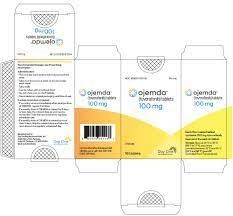
Genetic changes known asBRAF fusions or rearrangements or BRAF V600 mutations promote cancer growth and survival. Several RAF kinase inhibitors have been developed to treat cancers with BRAF mutations. These RAF inhibitors are divided into different "types" based on their selectivity for BRAF isoforms and binding mode. The ingredient in Ojemda is tovorafenib, a type II RAF kinase inhibitor. Ojemda is active against mutant BRAF V600E, wild-type BRAF and wild-type CRAF kinase. Ojemda demonstrated antitumor activity in cultured cells and xenograft tumor models harboring BRAF V600E and V600D mutations, as well as in xenograft models harboring BRAF fusions. It has been reported that OjeMDA does not induce abnormal activation of the MAPK pathway.
OjeMDA is an anticancer drug with antitumor activity. Exposure to OjeMDA is associated with lower height-for-age z-scores in pediatric patients. The risk reduction in height-to-age ratio persisted during OjeMDA treatment. Higher drug exposure is associated with increased risk of rash, elevated liver enzymes (aspartate aminotransferase and alanine aminotransferase), and elevated creatinine phosphokinase.
[ 免责声明 ] 本页面内容来自公开渠道(如FDA官网、Drugs官网、原研药厂官网等),仅供持有医疗专业资质的人员用于医学药学研究参考,不构成任何治疗建议或药品推荐。所涉药品可能未在中国大陆获批上市,不适用于中国境内销售和使用。如需治疗,请咨询正规医疗机构。本站不提供药品销售或代购服务。


