
.jpeg)
Is sunitinib a targeted drug?
Sunitinib is indeed a targeted drug. It is a new multi-targeted oral drug for the treatment of tumors. Sunitinib is primarily being developed for the treatment of gastrointestinal stromal tumors and metastatic renal cell carcinoma that are unresponsive or intolerant to standard therapies. Unlike traditional chemotherapy drugs, sunitinib can selectively target certain protein receptors, which play a key role in tumor growth similar to molecular switches. By inhibiting the activity of these receptors, sunitinib can block the growth and spread of tumor cells, thereby achieving the purpose of treating tumors.
The targeting nature of sunitinib makes it more specific and effective during treatment. It can act on multiple targets at the same time, such as vascular endothelial growth factor receptor, platelet-derived growth factor receptor, gastrointestinal stromal tumor-associated tyrosine kinase, etc., by inhibiting the activity of these targets, blocking the growth and angiogenesis of tumor cells. This multi-target mechanism of action allows sunitinib to show good efficacy in the treatment of various types of tumors.
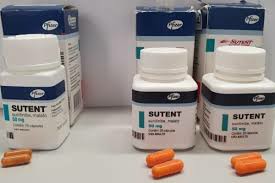
However, as a targeted drug, sunitinib also has some side effects. Common side effects include fatigue, loss of appetite, nausea, diarrhea, etc. In addition, sunitinib may also cause serious heart problems, such as heart failure, QT interval prolongation, and bradycardia. Therefore, it is necessary to closely monitor the patient's physical condition when using sunitinib, and adjust the drug dose in a timely manner according to the clinical situation.
Although sunitinib has certain advantages in treating tumors, it cannot completely cure all tumors. For some advanced or refractory tumors, sunitinib may only be able to control the progression of the disease to a certain extent and prolong the patient's survival. In addition, resistance to sunitinib is also a concern. Over time, some patients may develop resistance to sunitinib, resulting in reduced therapeutic efficacy.
Both the original drug and domestic generic drug of sunitinib are currently on the market in my country, and the drug has been included in the medical insurance reimbursement items. However, it should be noted that the reimbursement ratios vary in different regions of the country. For example, The domestic price of 12.5mg*28 tablets of the original sunitinib drug is approximately 3,000 yuan after reimbursement by medical insurance. The specific price may vary by region. It is recommended to consult the local medical insurance bureau. At the same time, the original sunitinib drug is also available in overseas markets, but the price is higher. If patients need original drugs, they can consider purchasing them at domestic medical institutions. In addition, there are more affordable generic sunitinib available overseas, which have the same ingredients as the original drug and are more cost-effective.
In general, sunitinib, as a new multi-targeted drug for the treatment of tumors, has significant innovation and clinical value in the field of tumor treatment. It can treat tumors by inhibiting the activity of specific protein receptors and blocking the growth and spread of tumor cells. However, when using sunitinib, you need to pay attention to its possible side effects and drug resistance.
[ 免责声明 ] 本页面内容来自公开渠道(如FDA官网、Drugs官网、原研药厂官网等),仅供持有医疗专业资质的人员用于医学药学研究参考,不构成任何治疗建议或药品推荐。所涉药品可能未在中国大陆获批上市,不适用于中国境内销售和使用。如需治疗,请咨询正规医疗机构。本站不提供药品销售或代购服务。


