
.jpeg)
Aceminib: Indications, Dosage, Contraindications, Side Effects and Pill Interactions
Asciminib (Asciminib) is a new type of BCR-ABL allosteric inhibitor for chronic myeloid leukemia (CMLCMLCML span>) patients, especially those who have received other tyrosine kinase inhibitors (TKIs) and developed resistance or intolerance, provide new treatment options.
Indications:
Aceminib is mainly used to treat the following adult patients:
1.Philadelphia chromosome-positive chronic myelogenous leukemia (Ph+ CML) in chronic phase (CP) who has been previously treated with two or more tyrosine kinase inhibitors (TKI).
2.Ph+ CML in CP with T315I mutation.
This drug provides a new treatment strategy for patients who have failed or are intolerant to traditionalTKI treatments.
Usage and dosage
The usage and dosage of Aceminid vary according to the patient’s specific conditions:
1.For Ph+ patients who have previously received two or moreTKI treatments For patients with CML-CP, the recommended dose is 80 mg orally once daily, or 40 mg twice daily, approximately 12 hours apart.
2.For those who haveFor T315ImutatedPh+ CML-CP patients, the recommended dose is 200mg twice daily, also at an interval of about 12 hours.
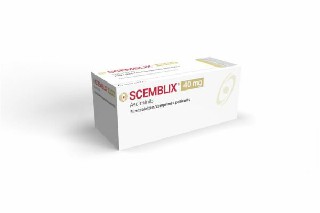
In addition, patients should avoid eating for at least 2 hours before taking aceminib, and 1 hours after taking the drug. To ensure optimal absorption and effectiveness of the medication, tablets should be swallowed whole and should not be crushed, chewed, or broken.
Contraindications
Currently, there is relatively little information on specific contraindications to aceminib. However, given its mechanism of action and drug class, it can be speculated that this drug should be contraindicated in patients allergic to aceminib or any of its components. In addition, pregnant women, lactating women and patients with severe hepatic insufficiency should consult a doctor before use.
side effects
Aceminidib can cause a range of side effects, and the severity of these side effects varies from person to person. Some common side effects may include:
Nose and throat discomfort, and decreased platelet, white blood cell, and red blood cell counts. Muscle, bone or joint pain, elevated blood fat levels. Headache, elevated blood creatine kinase levels. Fatigue, elevated blood liver enzyme levels. Nausea, vomiting, diarrhea and other gastrointestinal symptoms.
In addition, there are some more serious side effects, such as bleeding tendencies, abnormal liver function, and irregular heartbeats. Patients should pay close attention to these symptoms while using Aceminid and regularly report their physical conditions to their doctors so that side effects can be dealt with in a timely manner.
drug interactions
Aceminid may interact with other medications, affecting each other's efficacy or safety. Therefore, before using Asiminib, patients should inform their doctor about all medications they are taking, including prescription drugs, over-the-counter drugs, herbal remedies, and nutritional supplements. Special caution is required when used in combination with the following categories of drugs:
Enzyme inducers and enzyme inhibitors as they may affect the rate of metabolism of aceminib. Hydrochloric acid drugs, antifungal drugs, antibiotics, etc. may chemically react with or competitively inhibit aceminib. Cardiovascular drugs and immunosuppressants because they may have similar or mutually antagonistic pharmacological effects as aceminib.
[ 免责声明 ] 本页面内容来自公开渠道(如FDA官网、Drugs官网、原研药厂官网等),仅供持有医疗专业资质的人员用于医学药学研究参考,不构成任何治疗建议或药品推荐。所涉药品可能未在中国大陆获批上市,不适用于中国境内销售和使用。如需治疗,请咨询正规医疗机构。本站不提供药品销售或代购服务。


