
.jpeg)
Aceminib continues to demonstrate good remission effects in patients with chronic myelogenous leukemia at 48-week follow-up
Aceminib is a newly approved drug by the FDA to treat chronic myelitis. It is unique in that it is the first drug to work by binding to the myristoyl pocket of ABL. This mechanism, also known as a STAMP inhibitor by the academic community, can effectively solve the problem of resistance to TKI therapy in patients with chronic myelogenous leukemia, and can overcome the defective gene mutation BCR-ABL1 associated with the overproduction of leukemia cells. Aceminib is currently being studied in multiple treatment options for chronic myelogenous leukemia.
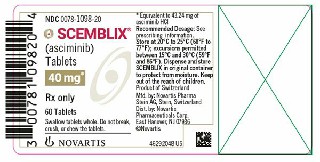
The latest research analysis shows that aceminib has long-lasting efficacy. At the last evaluation, 60 of 62 patients who received aceminib maintained their MMR1 response. Moreover, Acemini can provide a deeper molecular response. At 48 weeks, a significantly higher proportion of patients in the acesiminib group achieved a specific molecular response level than those who received bosulev. In addition, the proportion of patients who achieved BCR-ABL1≤1% at 48 weeks in the aciminib group was also higher than that in the bosoliv group, which indicates that these patients may have better long-term prognosis.
However, treatment is not always easy. Among patients who received aceminib, 23.6% discontinued treatment due to poor efficacy, compared with 35.5% of patients who received bosulev. The median exposure to aceminib was 15.4 months, and safety and tolerability were consistent with the previous primary analysis. Although common adverse reactions include thrombocytopenia and neutropenia, the overall safety and tolerability profile of aceminib was favorable.
[ 免责声明 ] 本页面内容来自公开渠道(如FDA官网、Drugs官网、原研药厂官网等),仅供持有医疗专业资质的人员用于医学药学研究参考,不构成任何治疗建议或药品推荐。所涉药品可能未在中国大陆获批上市,不适用于中国境内销售和使用。如需治疗,请咨询正规医疗机构。本站不提供药品销售或代购服务。


