
.jpeg)
Sparsentan Update: Sparsentan Limits eGFR Decrease Regardless of Proteinuria Level in IgAN Patients
Sparsentan has a significant positive benefit over 2 years in preserving renal function in patients with immunoglobulin nephropathy type A (IgAN) over 2 years, according to phase 3 data.
The research team reported new 110-week data showing that the non-immunosuppressive dual endothelin/angiotensin receptor agonist outperformed its comparator in absolute changes in estimated glomerular filtration rate (eGFR) in patients with IgAN. These findings, coupled with the consistent safety profile, support sparsentin's long-term care strategy.
Preliminary results from the PROTECT trial published last year showed that sparsentan significantly reduced proteinuria compared with irbesartan at 36 weeks (-49.8% vs -15.1%, respectively; P < .0001). The team also observed significant and sustained reductions in proteinuria in treated patients through 110 weeks, with a relative reduction of 40% in proteinuria levels in patients receiving spaxentan compared with those receiving irbesartan at that time.
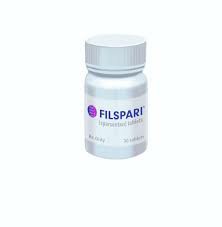
The researchers analyzed the results of a randomized, double-blind, parallel-group analysis of sesentan 400 mg daily versus the maximum label dose of irbesartan 300 mg daily in adults with biopsy-proven IgAN, who are at risk for progression to kidney failure despite treatment with ACE inhibitors and/or ARBs. Eligible patients have urinary protein excretion (UPE) ≥1.0 g/d and eGFR ≥30 mL/min/1.73 m2.
Observations from the PROTECT analysis included complete remission of proteinuria (CR) (UPE <0.3 m2), absolute change in eGFR, rate of eGFR change, and blood pressure in treated patients.
At week 110, patients with IgAN who received sparsentan were nearly 3 times more likely to achieve a CR (31%) than those who received irbesartan (11%) (relative risk, 2.5; 95% CI, 1.6 – 4.1). There was also a positive difference in mean eGFR change from baseline of 3.7 mL/min/1.73 m 2 (95% CI, 1.5 – 6.0) in the treatment group (-5.8) compared with the control group (-9.5).
Additionally, patients with a baseline urine protein-to-creatinine ratio (UPCR) ≥1.25 who received sparsentan had significantly improved reductions in eGFR compared with the same patients who received irbesartan.
Compared with irbesartan, fewer patients treated with sparsentan progressed to the composite renal failure endpoint (demonstrated 40% or 50% decrease in eGFR, end-stage renal disease, or death). Patients started immunosuppressive therapy more quickly and more frequently with irbesartan than with sparsentan. Improvements in eGFR slope suggest that spaxantane may delay the need for dialysis or kidney transplantation.
The study showed no reports of weight gain or drug-induced liver injury; Serious treatment-related adverse events (TEAEs) were reported in 75 (37%) patients treated with sparsentan, including 42 cases of COVID-19 and 6 cases of chronic kidney disease. An additional 21 (10%) sparsentan patients discontinued treatment due to TEAEs; 1 patient receiving irbesartan experienced a TEAE leading to death.
Sparsentan consistently reduced proteinuria and produced a clear benefit on eGFR in patients with IgAN over 110 weeks regardless of baseline proteinuria levels.
IgAN patients who received sparsentane for more than 2 years had one of the slowest annual declines in renal function among the IgAN phase 3 clinical trials. Sparsentan is well tolerated and has a safety profile comparable to irbesartan.
[ 免责声明 ] 本页面内容来自公开渠道(如FDA官网、Drugs官网、原研药厂官网等),仅供持有医疗专业资质的人员用于医学药学研究参考,不构成任何治疗建议或药品推荐。所涉药品可能未在中国大陆获批上市,不适用于中国境内销售和使用。如需治疗,请咨询正规医疗机构。本站不提供药品销售或代购服务。


