
.jpeg)
Instructions for ixazomib
Ixazomib(Ixazomib) is a cancer drug used to treat multiple myeloma in adults. It is given along with two other drugs (lenalidomide and dexamethasone) to patients who have received at least one prior treatment. Because the number of patients with multiple myeloma is small and the disease is considered "rare," ixazomib was designated as a rare disease drug on September 27, 2011.
Dosage: Ixazomib is available by prescription only, and treatment must be initiated and monitored by a physician experienced in treating multiple myeloma.
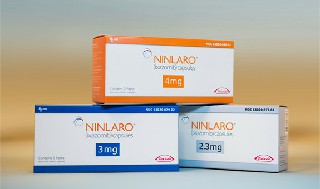
Ixazomib is available in capsule form (2.3, 3 and 4 mg) and can be taken at least one hour before or two hours after a meal. The recommended dose is 4 mg once weekly (same day each week) for 3 weeks followed by one week without ixazomib treatment. This 4-week treatment cycle should be continued until disease progression or side effects become unacceptable. If a patient experiences certain side effects, treatment may need to be temporarily stopped or the dose reduced. Dose reduction may also be possible in patients with moderately or severely reduced hepatic function and in patients with severely reduced renal function.
SIDE EFFECTS: Get emergency medical help if you have signs of an allergic reaction (hives, difficulty breathing, swelling of the face or throat) or a severe skin reaction (fever, sore throat, mouth sores, burning eyes, sore skin, red or purple rash).
Ixazomib may cause life-threatening blood clots in small blood vessels in organs such as the brain or kidneys. If you develop symptoms such as fever, tiredness, decreased urination, bruising, or nosebleeds, seek medical help right away.
Ixazomib may cause serious side effects. Call your doctor right away if you have: severe persistent nausea, vomiting, diarrhea, or constipation; new or worsening rash; blurred vision, dry or red eyes; back pain; fluid retention—swollen hands and feet, rapid weight gain; liver problems—upper abdominal pain, jaundice(yellowing of the skin or eyes); low levels of platelets in the blood—easy bruising, unusual bleeding, skin Purple or red spots under the skin; low white blood cell count - fever, cold or flu symptoms, cough, sore throat, swollen gums, mouth sores, skin ulcers; nerve problems - numbness, tingling, pain, burning sensation in the hands and feet, weakness in the arms or legs; or symptoms of shingles - flu-like symptoms of a rash of stinging or painful blisters on one side of the body.
Common side effects of ixazomib may include: nerve problems or swelling of the hands or feet; low platelets; diarrhea, constipation; nausea, vomiting, or back pain. This is not a complete list of side effects, and other side effects may occur.
Precautions: Do not use ixazomib with lenalidomide if you are pregnant, or if you are a man and your sexual partner is pregnant. Lenalidomide is known to cause serious, life-threatening birth defects or infant death if the mother or father takes ixazomib at the time of conception or during pregnancy.
Interactions: Ixazomib should not be used concomitantly with strong cytochromes P3A inducers (i.e., rifampicin, phenytoin, carbamazepine, and St. John's wort).
Storage: Store at room temperature, away from moisture and heat. Do not freeze. Keep each capsule in the blister pack until you are ready to take a dose.
[ 免责声明 ] 本页面内容来自公开渠道(如FDA官网、Drugs官网、原研药厂官网等),仅供持有医疗专业资质的人员用于医学药学研究参考,不构成任何治疗建议或药品推荐。所涉药品可能未在中国大陆获批上市,不适用于中国境内销售和使用。如需治疗,请咨询正规医疗机构。本站不提供药品销售或代购服务。


