
.jpeg)
Xolremdi approved, bringing new treatment option to patients with WHIM syndrome
The U.S. Food and Drug Administration (FDA) recently officially approved a drug called Xolremdi (mavorixafor)'s innovative drug is specially used to treat patients with WHIM syndrome who are 12 years old and above. This important approval undoubtedly brings a ray of hope to those suffering from this rare disease. WHIM syndrome, which stands for warts, hypogammaglobulinemia, infection and myelodysplastic syndrome, is a disease that seriously affects the quality of life of patients. The approval of Xolremdi is based on its unique mechanism, which can effectively increase the number of mature neutrophils and lymphocytes circulating in the patient's body, thereby improving the patient's immunity.
XolremdiAs an innovative targeted therapy, its core mechanism is to solve the problem of imbalance of CXCR4 pathway signaling. The emergence of this therapy not only represents the medical community's in-depth research on WHIM syndrome, but also reflects the precision and efficiency of modern medical technology in the treatment of rare diseases. Through clinical trial verification, Xolremdi has proven its ability to significantly increase the absolute count of neutrophils and lymphocytes, which will undoubtedly greatly enhance WHIM patients' ability to fight infection and improve their quality of life.
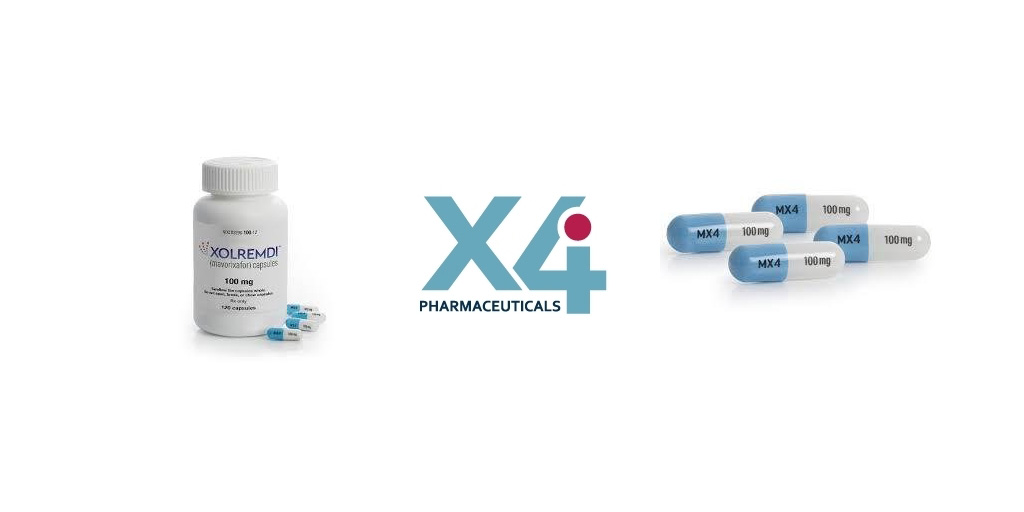
To understand the mechanism of action of Xolremdi, we first need to understand the pathological basis of WHIM syndrome. This disease originates from a genetic abnormality of the chemokine receptor CXCR4. This abnormality leads to an increase in the reactivity of white blood cells to the ligand CXCR4 CXCL12, causing a large number of white blood cells to remain in the bone marrow and unable to effectively enter the blood circulation system. The unique thing about Xolremdi is that it can block CXCL12The combination causes neutrophils and lymphocytes to be released from the bone marrow and enter the peripheral circulation, increasing their number in the blood.
FDA’s approval is based on the results of a rigorous clinical trial. The study, titled "Randomized, double-blind, placebo-controlled Phase 34WHIM trial" (ClinicalTrials.govIdentifier: The study NCT03995108 (NCT03995108) included a total of 31 patients with WHIM syndrome who were 12 years old and above. They were randomly divided into two groups, one receiving once-daily oral mavorixafor and the other receiving a placebo. The study's primary efficacy endpoints included improvements in absolute neutrophil count (ANC) and absolute lymphocyte count (ALC), as well as a reduction in the number of infections.
The trial results showed that compared with the placebo group, patients treated with mavorixafor had significant improvements in both absolute counts, and this improvement was not only statistically significant but also of practical clinical value. Specifically, mavorixafor can keep the patient's neutrophils and lymphocytes at a higher level for a longer period of time, which will undoubtedly greatly improve the patient's immune function and reduce the risk of infection from the outside world.
However, any drug will inevitably be accompanied by certain adverse reactions. During the use of mavorixafor, the most common adverse reactions include thrombocytopenia, pityriasis, rash, rhinitis, epistaxis, vomiting and dizziness. Despite the existence of these adverse reactions, considering the significant therapeutic effects brought by the drug, these side effects are within the controllable range, and patients can handle them appropriately according to the recommendations of their doctors.
[ 免责声明 ] 本页面内容来自公开渠道(如FDA官网、Drugs官网、原研药厂官网等),仅供持有医疗专业资质的人员用于医学药学研究参考,不构成任何治疗建议或药品推荐。所涉药品可能未在中国大陆获批上市,不适用于中国境内销售和使用。如需治疗,请咨询正规医疗机构。本站不提供药品销售或代购服务。


