
.jpeg)
How effective is Valganciclovir in treating cytomegalovirus infection?
Valganciclovir (Valganciclovir) is an important antiviral drug primarily used to prevent and treat cytomegalovirus (CMV) infection, particularly in immunocompromised patient populations such as organ transplant recipients and AIDS patients. This article will discuss in detail the efficacy of valganciclovir (valganciclovir) in the treatment of CMV infection based on clinical trial data.
Drug Introduction
Valganciclovir is an oral prodrug that is converted in the body to ganciclovir (Ganciclovir), which is a highly selective and potent inhibitor of CMV. Gaciclovir effectively controls CMV infection by inhibiting viral DNA polymerase and preventing viral DNA replication.
Clinical trial data review
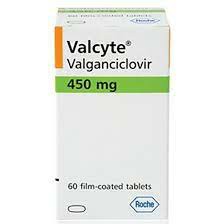
1.Preventive treatment in organ transplant patients: Multiple clinical trials have studied the preventive effect of Vancevir (valganciclovir) in organ transplant patients. Studies on heart, kidney, and liver transplant patients have shown that Valganciclovir (valganciclovir) can significantly reduce the incidence of CMV infection and disease.
Study1: In a randomized controlled trial, researchers compared the preventive efficacy of valganciclovir (valganciclovir) with intravenous galcyclovir in heart transplant patients. The results showed that the incidence of CMV infection within 6 months after transplantation was 12.1% in patients taking Valganciclovir, compared with 15.2% in the intravenous galcyclovir group. This suggests thatVansevir (valganciclovir) is as effective as galcyclovir in preventingCMV infection, but due toValganciclovir (valganciclovir) is an oral drug and is more convenient to use.
Study2: Another study of kidney transplant patients found that only 8.2% of patients who received valganciclovir prophylaxis after transplantationinfection occurred within pan>6months, and in the control group who did not receive preventive treatment, the infection rate was as high as 45.3%. This result further supports the effectiveness of valganciclovir in organ transplant patients.
2.Treatment of patients who have been infected with CMV: For patients who have been infected with CMV, Vancevir (valganciclovir) has also shown significant therapeutic effects, especially in controlling viral load and relieving symptoms.
Study3: In a double-blind randomized controlled trial, HIV patients with CMVretinitis were divided into valganciclovir and placebo groups. The results showed that after 14 weeks of treatment, the CMV DNA levels of patients in the Vancevir (valganciclovir) group were significantly reduced, and their retinopathy was also significantly improved. Specific data showed that patients in the Vancevir (valganciclovir) group had an average reduction in viral load of 85%, while there was no significant change in the placebo group.
Study4: Another study in bone marrow transplant patients evaluated the efficacy of valganciclovir (valganciclovir) in acute CMV infection. The results of the study showed that 75%of patients who received Vansevir (valganciclovir) had CMV DNA test results turning negative after 8 weeks of treatment, while only 30% of the control group. In addition, the symptom improvement rate of patients in the Valganciclovir group was also significantly higher than that in the control group.
3.Prevention and treatment of CMVinfection in AIDS patients: AIDS patients are susceptible to CMV infection due to low immune function. Multiple studies have confirmed the effectiveness of Valganciclovir (valganciclovir) in preventing and treating CMV infection in patients with AIDS.
Study5: In a multicenter study, HIV patients were divided intoVansevir (valganciclovir) prevention groups and a control group. The results showed that the incidence of CMV infection in the Vancevir (valganciclovir) prevention group was significantly lower than that in the control group (5.7% vs. 22.3%), and the quality of life and survival of patients in the prevention group were significantly improved.
5.Safety and Tolerability: Clinical trials also evaluated the safety and tolerability of Vancevir (valganciclovir). Common side effects of Valganciclovir include bone marrow suppression (such as leukopenia, thrombocytopenia), gastrointestinal reactions (such as nausea, vomiting, diarrhea) and renal impairment. Despite the presence of these side effects, in most cases they can be effectively managed with regular monitoring and appropriate dosage adjustments.
Study6: The safety of Vansevir (valganciclovir) was systematically evaluated in a large clinical trial. The results showed that although some patients experienced bone marrow suppression and gastrointestinal adverse reactions, the vast majority of patients were able to tolerate treatment with valganciclovir without serious irreversible adverse events. Through hematology monitoring and renal function tests, doctors can adjust treatment plans in a timely manner to ensure patient safety.
Valganciclovir (valganciclovir) has shown significant efficacy in the prevention and treatment of CMVinfections. Its preventive treatment in organ transplant patients significantly reduces the incidence of CMV infection and improves transplant success rate and patient prognosis. For patients infected with CMV, valganciclovir (valganciclovir) improves the patient's quality of life and cure rate by reducing viral load and alleviating symptoms. In addition, the application of Vansevir (valganciclovir) in AIDS patients has also effectively prevented and controlled CMV infection. Although valganciclovir may cause some side effects, such as bone marrow suppression and gastrointestinal reactions, most of these side effects can be controlled with proper monitoring and dose adjustment. Overall, valganciclovir (valganciclovir) has good clinical results in treatingCMVinfection and is a safe and effective treatment option.
[ 免责声明 ] 本页面内容来自公开渠道(如FDA官网、Drugs官网、原研药厂官网等),仅供持有医疗专业资质的人员用于医学药学研究参考,不构成任何治疗建议或药品推荐。所涉药品可能未在中国大陆获批上市,不适用于中国境内销售和使用。如需治疗,请咨询正规医疗机构。本站不提供药品销售或代购服务。


