
.jpeg)
Discussion on the treatment duration of Valganciclovir: Varies depending on the condition and individual differences
Valganciclovir (Valganciclovir), as an antiviral drug specifically used to prevent and treat cytomegalovirus (CMV) infection, plays an important role in the medical field. However, many patients are confused about the length of their treatment. In fact, the duration of taking Valganciclovir is not static and will vary depending on the treatment goals and the patient's specific condition.
For patients who have just received an organ transplant, preventingCMV infection is the top priority. Due to the immunosuppressive treatment after surgery, their immune systems are relatively fragile and therefore more susceptible to CMV infection. To reduce the risk of infection, doctors often recommend preventive medication in the early days after transplantation. Generally speaking, this course of preventive treatment lasts about 3 to 6 months. However, if the CMV serological status of the donor and the recipient is inconsistent, the duration of preventive medication may be longer, sometimes even up to 12 months. The specific course of prophylaxis will be determined based on the patient's individual risk and clinical circumstances.
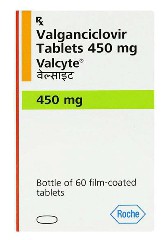
For those patients who have been infected with CMV, the duration of treatment with valganciclovir depends mainly on the severity of the infection and the patient's immune function. In the early stages of treatment, higher drug doses are usually used to quickly control viral replication. This process lasts approximately 2 to 3 weeks. After the acute infection is effectively controlled, the patient may need to continue taking Valganciclovir, but the dose will be reduced and the treatment time may extend for weeks to months to prevent the recurrence of infection. For some patients whose immune function is very low or whose virus is difficult to clear, the treatment time may be longer or even require long-term maintenance treatment.
AIDS patients also face a higher risk of CMV infection due to long-term weakening of their immune systems. For them, valganciclovir can be used both to treat existing infections and to prevent infections from occurring, especially serious complications like CMV retinitis. The duration of treatment will be adjusted according to the patient's specific condition and immune function, and sometimes long-term or even lifelong medication may be required.
However, long-term use of Valganciclovir may also cause some side effects, such as bone marrow suppression, gastrointestinal discomfort, and renal function impairment. Therefore, patients need to undergo regular blood and kidney function tests during the medication period so that the drug dosage or treatment plan can be adjusted in a timely manner based on the test results.
[ 免责声明 ] 本页面内容来自公开渠道(如FDA官网、Drugs官网、原研药厂官网等),仅供持有医疗专业资质的人员用于医学药学研究参考,不构成任何治疗建议或药品推荐。所涉药品可能未在中国大陆获批上市,不适用于中国境内销售和使用。如需治疗,请咨询正规医疗机构。本站不提供药品销售或代购服务。


