
.jpeg)
Can tepotinib cure lung cancer?
Tepotinib is a targeted therapy drug specifically used to treat patients with advanced non-small cell lung cancer (NSCLC) carrying exon 14 skipping mutations in the MET gene. Although tepotinib has shown significant efficacy in slowing disease progression and improving quality of life, it currently does not cure lung cancer.
1. Disease control and relief: Tepotinib prevents the proliferation and spread of cancer cells by inhibitingMETtyrosine kinase activity. In clinical trials and practical applications, many patients have experienced tumor shrinkage or disease stabilization after taking tepotinib. For patients with advanced non-small cell lung cancer, this means that disease progression is effectively controlled, resulting in prolonged survival and improved quality of life. However, this does not equate to a cure, as cancer cells may grow again after stopping the drug or after long-term use.
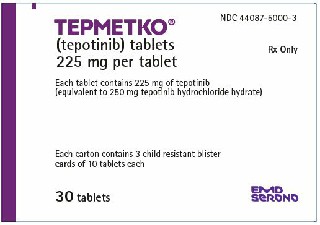
2. Long-term management: The therapeutic effect of tepotinib depends largely on individual differences. Some patients respond well to drugs and can maintain long-term disease remission; while other patients may experience drug resistance, allowing the tumor to progress again. For these patients, it may be necessary to switch to other treatment options, such as chemotherapy, radiation therapy, or new targeted drugs.
3. Comprehensive treatment strategy: Modern lung cancer treatment emphasizes comprehensive treatment strategy, and Tepotinib is often used as a part of comprehensive treatment. Other treatments include surgery, radiation therapy, immunotherapy and chemotherapy. The goal of comprehensive treatment is to delay disease progression, improve symptoms and prolong survival to the greatest extent, rather than relying solely on a single drug.
4. Potential for cure: In rare cases, patients with lung cancer who are detected and treated early may achieve long-term disease-free survival, but this usually involves surgical resection and subsequent adjuvant therapy. For most patients with advanced NSCLC, current treatments focus on disease management and improvement of quality of life rather than complete cure.
5. Continuous Research: Scientists and medical researchers are constantly exploring new treatments and drug combinations to improve treatment effects and cure rates. Targeted therapies, including tepotinib, have made significant progress in the treatment of lung cancer, but curing lung cancer remains a complex challenge that requires continued research and innovation.
In general, tepotinib is excellent in the treatment of advanced non-small cell lung cancer carrying exon skipping mutations in the METgene14, but it is not yet curable. Patients should work closely with their medical team to develop an individualized treatment plan to maximize survival and improve quality of life.
[ 免责声明 ] 本页面内容来自公开渠道(如FDA官网、Drugs官网、原研药厂官网等),仅供持有医疗专业资质的人员用于医学药学研究参考,不构成任何治疗建议或药品推荐。所涉药品可能未在中国大陆获批上市,不适用于中国境内销售和使用。如需治疗,请咨询正规医疗机构。本站不提供药品销售或代购服务。


