
.jpeg)
Can I take baricitinib if I have a fungal infection?
Baricitinib is a selective JAK2 and JAK1 inhibitor, mainly used to treat moderately to severely active rheumatoid arthritis (RA) in adults. It is not a medicine specifically designed to treat fungal infections. In fact, based on publicly available information, baricitinib may increase the risk of secondary bacterial and fungal infections when used in combination with certain drugs, such as IL-6 receptor blockers.
Fungal infections are caused by pathogenic fungi that can invade the skin, hair, nails, mucous membranes, deep tissues and internal organs of the human body. Treating fungal infections often requires specific antifungal drugs that attack the fungus' cell wall or metabolic processes to inhibit or kill the fungus.
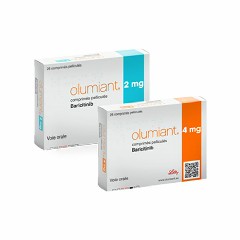
From a drug safety and efficacy perspective, the use of baricitinib during fungal infections is not recommended unless there is clear medical indication and physician guidance. Not only may this not effectively treat the fungal infection, it may also worsen the condition due to drug interactions or side effects.
Baricitinib is not a drug that treats fungal infections. It is primarily used to treat rheumatoid arthritis, not fungal infections.
Fungal infections require specific antifungal treatment: they should be treated with medicines that target the fungus. The use of baricitinib in combination with certain drugs may increase the risk of infection, so special caution should be used during fungal infections.
During fungal infections, the use of baricitinib is generally not recommended unless directed and advised by a physician. Patients should first seek help from a medical professional for proper diagnosis and treatment.
[ 免责声明 ] 本页面内容来自公开渠道(如FDA官网、Drugs官网、原研药厂官网等),仅供持有医疗专业资质的人员用于医学药学研究参考,不构成任何治疗建议或药品推荐。所涉药品可能未在中国大陆获批上市,不适用于中国境内销售和使用。如需治疗,请咨询正规医疗机构。本站不提供药品销售或代购服务。


