
.jpeg)
How effective is anamorelin in patients with kidney cancer?
Anamorelin, as a new selective ghrelin receptor agonist, has received widespread attention in recent years in the treatment of cancer cachexia. Anamorelin activates ghrelin receptors by simulating ghrelin secreted by the gastrointestinal tract, thereby stimulating appetite, promoting weight gain, and muscle mass growth. This mechanism is of great significance for improving the nutritional status and quality of life of patients with cancer cachexia. Cachexia is also a common complication in patients with renal cancer, so anamorelin may play a positive therapeutic role.
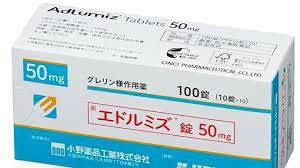
Although there is currently a lack of clinical research data on anamulin specifically for renal cancer patients, the drug's efficacy in patients with non-small cell lung cancer, gastric cancer, pancreatic cancer and colorectal cancer has been verified to some extent. For example, in one study, patients taking anamorelin had a significant increase in lean body mass (LBM) over 12 weeks, a significant difference compared with the placebo group. These data suggest that anamorelin has a positive effect on improving cachectic status in cancer patients.
Patients with kidney cancer are often accompanied by symptoms such as loss of appetite, weight loss, and muscle wasting during the progression of the disease. These symptoms not only affect the patient's quality of life but may also have a negative impact on the effectiveness of treatment. By increasing appetite and promoting weight gain, anamorelin has the potential to improve cachexia in renal cancer patients, thereby improving their quality of life and prognosis.
Anamorelin demonstrated good safety and tolerability in clinical trials. However, for patients with kidney cancer, it is still necessary to evaluate their renal function status before using anamorelin to ensure safe use.
[ 免责声明 ] 本页面内容来自公开渠道(如FDA官网、Drugs官网、原研药厂官网等),仅供持有医疗专业资质的人员用于医学药学研究参考,不构成任何治疗建议或药品推荐。所涉药品可能未在中国大陆获批上市,不适用于中国境内销售和使用。如需治疗,请咨询正规医疗机构。本站不提供药品销售或代购服务。


