
.jpeg)
Enzalutamide/enzalutamide receives European Commission approval at nmHSPC
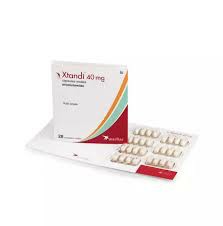
The European Commission (EC) has approved an expanded indication for enzalutamide alone and in combination with androgen deprivation therapy for the treatment of adult patients with high-risk biochemically recurrent (BCR) non-metastatic hormone-sensitive prostate cancer (nmHSPC) who are not candidates for salvage radiotherapy.
The regulatory decision was supported by results from the phase 3 EMBARK trial (NCT02319837), which showed a 5-year metastasis-free survival rate of 87.3% (95%C) in patients with high-risk BCR prostate cancer who received enzalutamide plus Leuprolide (n=355) or enzalutamide alone (n=355), respectively. I, 83.0%-90.6%) and 80.0% (95% CI, 75.0%-84.1%) in terms of MFS, enzalutamide plus leuprolide (HR, 0.42; 95% CI, 0.30-0.61; p<0.001) and enzalutamide monotherapy (HR, 0.63; 95% CI, 0.46-0.87; p=0.005) was superior to leuprolide alone.
WhennmHSPC relapses and is allowed to develop, it may lead to metastasis. Men whose prostate-specific antigen (PSA) rises rapidly during this stage of prostate cancer face particularly high risks and worse outcomes, with PSA levels doubling in nine months. Therefore, it is crucial that cancer is managed with caution and that clinicians do not delay treatment in this setting. With the expanded approval of enzalutamide, clinicians now have an important new option to treat men with nmHSPC who are at high risk of metastasis, which may become a new standard of care.
EMBARK is an international study of adult patients with high-risk BCR prostate cancer without neuroendocrine differentiation, signet ring cell features, or small cell features. Eligible patients also needed a PSA doubling time of 9 months or less and a PSA level at least 2 ng/mL above nadir after radiation therapy or at least 1 ng/mL after radical prostatectomy with or without postoperative radiation therapy; a serum testosterone level of at least 150 ng/dL; and an ECOG performance status of 1 or 0. The study randomly assigned patients in a 1:1:1 ratio to enzalutamide (160 mg daily plus leuprolide 22.5 mg every 12 weeks), placebo plus leuprolide, or enzalutamide alone.
The primary endpoint was blinded independent central review of MFS in the combination arm versus leuprolide alone. MFS in the enzalutamide monotherapy arm versus leuprolide monotherapy arm represented a key secondary endpoint; patient-reported outcomes and safety were other secondary endpoints.
In terms of safety, the proportions of patients in the combination group, leuprolide monotherapy group and enzalutamide monotherapy group who experienced any grade of adverse reactions (AE) were 97.2%, 97.5% and 98.0% respectively. Patients in each group also experienced treatment-related AEs of any grade (86.4% vs. 79.9% vs. 88.1%), serious AEs (34.8% vs. 31.6% vs. 37.0%), and treatment-related serious AEs (7.4% vs. 2.3% vs. 4.8%). AEs leading to dose reduction (7.1% vs. 4.5% vs. 15.8%) and permanent treatment discontinuation (20.7% vs. 10.2% vs. 17.8%) were also reported.
Prior to the European Commission's approval of enzalutamide, the European Medicines Agency's Committee for Medicinal Products for Human Use issued a positive opinion in March 2024, recommending approval of the drug for the treatment of patients with high-risk BCR nmHSPC. Enzalutamide was also approved by the U.S. Food and Drug Administration in November 2023 for the treatment of patients with BCR non-metastatic castration-sensitive prostate cancer who are at high risk of metastasis.
The expanded approval of enzalutamide is a critical development for patients with nmHSPC who have high-riskBCR, and the efficacy and safety results from the EMBARK study demonstrate the potential of enzalutamide as a new option for the treatment of early-stage relapsed HSPC.
[ 免责声明 ] 本页面内容来自公开渠道(如FDA官网、Drugs官网、原研药厂官网等),仅供持有医疗专业资质的人员用于医学药学研究参考,不构成任何治疗建议或药品推荐。所涉药品可能未在中国大陆获批上市,不适用于中国境内销售和使用。如需治疗,请咨询正规医疗机构。本站不提供药品销售或代购服务。


