
.jpeg)
How to deal with resistance to cabozantinib
When resistance to cabozantinib occurs, you can first consider adjusting the medication regimen. One strategy is to increase the dose of cabozantinib, with the caveat that the daily dose of cabozantinib should not exceed 80 mg per day to avoid the risk of overdosing.
Another approach is to adopt a combination drug strategy, combining cabozantinib with other anticancer drugs in the hope of producing better therapeutic effects. However, this strategy needs to be carried out under the guidance of a physician to ensure that drug-drug interactions do not cause adverse effects on the patient.
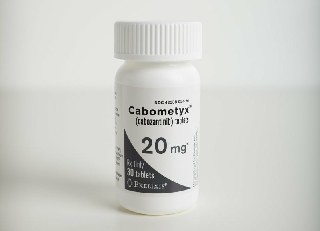
If adjusting the medication regimen is ineffective or the patient cannot tolerate the side effects of increasing the dose, switching to another medication may be a reasonable option. There are a variety of other targeted or chemotherapy drugs available for different types of cancer.
For example, in renal cancer, if cabozantinib is resistant, you can consider switching to other drugs such as axitinib and everolimus; in thyroid cancer, if cabozantinib fails, you can try lenvatinib, sorafenib, etc.
When drug resistance occurs, patients should go to the hospital for detailed examinations, including genetic testing, imaging examinations, etc., to understand the specific changes in the condition and the mechanism of drug resistance.
Based on the examination results, the doctor can develop an individualized treatment plan for the patient and select the most suitable drugs and treatment methods for the patient.
For some patients with difficult-to-treat cancers or those who have tried multiple treatment options, participating in a clinical trial may be a new treatment opportunity. Clinical trials often provide the latest information on drugs or treatments and may lead to better outcomes.
[ 免责声明 ] 本页面内容来自公开渠道(如FDA官网、Drugs官网、原研药厂官网等),仅供持有医疗专业资质的人员用于医学药学研究参考,不构成任何治疗建议或药品推荐。所涉药品可能未在中国大陆获批上市,不适用于中国境内销售和使用。如需治疗,请咨询正规医疗机构。本站不提供药品销售或代购服务。


