
.jpeg)
Can I take entrectinib after surgery?
Entrectinib (Entrectinib) belongs to a group of targeted therapy drugs called cancer growth inhibitors. Entrectinib is used to treat cancers that have a genetic change in the cells called NTRK, which cannot be treated with surgery, and in non-small cell lung cancer (NSCLC), which has a genetic change in the cells called ROS1. Before patients start treatment, the cancer will be tested for genetic changes to determine if entrectinib is a candidate. The drug inhibits specific protein kinases in tumor cells, thereby preventing tumor growth and spread.
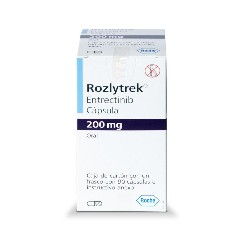
However, whether entrectinib can be taken after surgery needs to be judged on a case-by-case basis. First of all, it is necessary to clarify what type of surgery is meant after surgery and what is the purpose of the surgery. If the cancer is surgically removed, the doctor will decide whether further medical treatment is needed based on the pathological examination results and the patient's specific condition. In some cases, it may be recommended to continue taking entrectinib after surgery to consolidate the effects of surgical treatment and reduce the risk of cancer recurrence. This is usually when pathology results confirm after surgery that there is some specific genetic mutation that confers sensitivity to entrectinib.
However, it should be noted that entrectinib, as a drug, also has certain side effects and risks. As long as it works for patients and side effects can be controlled, patients usually take it long-term. Before using entrectinib, patients should fully understand the therapeutic effects, side effects and precautions of the drug, and seek medical advice. Only under the guidance of a doctor can you judge whether you need to continue taking entrectinib after surgery based on the specific situation.
[ 免责声明 ] 本页面内容来自公开渠道(如FDA官网、Drugs官网、原研药厂官网等),仅供持有医疗专业资质的人员用于医学药学研究参考,不构成任何治疗建议或药品推荐。所涉药品可能未在中国大陆获批上市,不适用于中国境内销售和使用。如需治疗,请咨询正规医疗机构。本站不提供药品销售或代购服务。


