
.jpeg)
Common adverse reactions and prevention of molotinib (Ojjaara)
Molotinib, trade nameOjjaara, is an innovative treatment drug for adult patients with anemia who have intermediate or high-risk myelofibrosis (including primary MF or secondary MF). Although it provides patients with new treatment options, patients may experience some adverse reactions during use. Understanding these adverse effects and taking appropriate preventive measures are critical to ensuring the safety and effectiveness of treatment.
Some patients may be at increased risk of infection while taking molotinib. According to clinical studies, a significant proportion of patients treated with molotinib developed infections, some of which were even serious, including bacterial and viral infections. Therefore, patients should pay special attention to personal hygiene during medication, avoid direct contact with sources of infection, and promptly report any signs or symptoms of infection to the medical team.
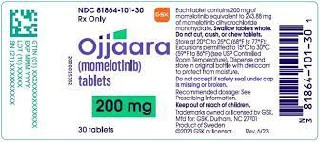
In addition, molotinib may also cause some other adverse reactions, such as hematological abnormalities, liver function damage, etc. For patients with already impaired liver function, special caution is needed and the dosage should be adjusted according to the recommendations of the doctor. At the same time, regular monitoring of liver function and blood indicators is essential so that any potential abnormalities can be detected and dealt with promptly.
In addition, molotinib may cause dizziness, fatigue and other symptoms, so be sure to take a rest. If symptoms persist, tell your doctor.
In order to prevent the occurrence of adverse reactions, patients should follow the doctor's medication instructions and not change the dosage or stop medication at will. At the same time, maintaining good living habits and dietary structure and enhancing the body's immunity can reduce the risk of adverse reactions to a certain extent.
In general, molotinib, as a new treatment drug, has certain risks of adverse reactions, but through reasonable preventive measures and close monitoring by the medical team, these risks can be minimized and the safety and effectiveness of the treatment can be ensured. Patients should maintain good communication with their doctors during the medication process, and provide timely feedback on any discomfort or abnormalities, so as to jointly provide a basis for adjustment of the treatment plan.
[ 免责声明 ] 本页面内容来自公开渠道(如FDA官网、Drugs官网、原研药厂官网等),仅供持有医疗专业资质的人员用于医学药学研究参考,不构成任何治疗建议或药品推荐。所涉药品可能未在中国大陆获批上市,不适用于中国境内销售和使用。如需治疗,请咨询正规医疗机构。本站不提供药品销售或代购服务。


