
.jpeg)
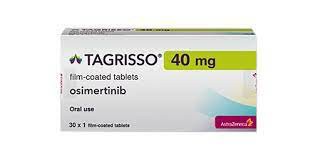
The tumor does not shrink after two months of osimertinib treatment. What is the possible reason?
Each patient's tumor profile and physical condition are unique. Some patients may be very sensitive to osimertinib and their tumors will shrink quickly; in other patients, their tumors may not shrink immediately because their disease is more severe or their body responds differently to the drug. This individual difference is common in the treatment process and is an important factor affecting the efficacy.
A patient's ability to absorb and metabolize osimertinib may also affect treatment efficacy. If the patient does not absorb the drug well, or the drug is quickly metabolized in the body, the effective concentration of the drug in the body may not reach the expected level, thus affecting the tumor shrinkage effect. In addition, whether patients are taking other drugs at the same time and whether these drugs interact with osimertinib may also affect the treatment effect.
Tumor resistance to drugs is an important consideration. In some cases, tumor cells may become resistant to osimertinib, resulting in less effective treatment. This resistance may be caused by genetic mutations or expression changes within the tumor cells, which may make the tumor cells less sensitive to the drug.
The rationality and implementation of the treatment plan will also affect the treatment effect. For example, if the drug dose is insufficient or the treatment period is not long enough, the desired therapeutic effect may not be achieved. In addition, if the patient does not strictly follow the doctor's instructions, or if other complications occur during the treatment, the effect of tumor shrinkage may also be affected.
The patient's psychological state and lifestyle may also have an impact on the effectiveness of treatment. For example, patients who experience chronic stress and anxiety may have lower immunity, which affects how their tumors respond to drugs. At the same time, bad living habits such as smoking, drinking, irregular work and rest, etc. may also affect the treatment effect.
Different types of tumors and different tumor stages also respond differently to drugs. Certain types of tumors may be more sensitive to osimertinib, while other types may be less sensitive. In addition, early-stage tumors are often more susceptible to shrinkage by drugs than late-stage tumors.
In addition to the above-mentioned known factors, there may be some unknown factors that are not yet clear that affect the treatment effect. For example, the complex regulatory network inside tumor cells and the microenvironment in the patient's body may affect the efficacy of drugs.
Therefore, the failure of tumor shrinkage after two months of osimertinib treatment may be related to many reasons. In order to optimize the treatment effect, it is recommended that patients communicate closely with their doctors, adjust treatment plans according to specific conditions, and maintain good living habits and mental state.
Although the tumors did not shrink, osimertinib may still play a role in controlling disease progression. Therefore, when evaluating the effect of treatment, in addition to focusing on changes in tumor size, factors such as the patient's overall condition and quality of life should also be comprehensively considered.
Finally, it is important to emphasize that each patient's situation is unique and therefore the effectiveness of treatment will vary from individual to individual. When facing treatment challenges, patients should maintain a positive attitude and work closely with their medical team to find the best solution.
[ 免责声明 ] 本页面内容来自公开渠道(如FDA官网、Drugs官网、原研药厂官网等),仅供持有医疗专业资质的人员用于医学药学研究参考,不构成任何治疗建议或药品推荐。所涉药品可能未在中国大陆获批上市,不适用于中国境内销售和使用。如需治疗,请咨询正规医疗机构。本站不提供药品销售或代购服务。


