
.jpeg)
Overview of sparsentan’s efficacy and side effects
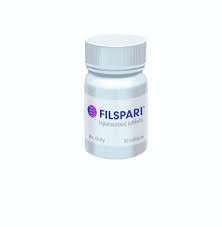
Sparsentan, as an innovative endothelin and angiotensin receptor antagonist, brings new possibilities for the treatment of primary immunoglobulinA nephropathy (IgAN). This article aims to comprehensively describe the therapeutic effects and potential side effects of sparsentane to help patients and medical professionals better understand and use this drug.
1. The remarkable therapeutic effect of sparsentane
Sparsentan has shown excellent results in the treatment ofIgAN. It mainly works by inhibiting two key signaling pathways, endothelin and angiotensin, thereby effectively reducing proteinuria and protecting kidney function. An international randomized, double-blind, controlled study provides strong evidence for the efficacy of sparsentane. The results of this study show that sparsentan can reduce urinary protein levels in IgAN patients to a greater extent than irbesartan used in the control group. Specifically, after 36 weeks, the average decrease in the urine protein to creatinine ratio of patients treated with sparsentan reached an astonishing 49.8%, far exceeding the 15.1% in the control group. This data fully demonstrates the excellent performance of sparsentan in the treatment of IgAN.
2. Side effects that need attention
Although sparsentane is effective in treating the disease, it can also cause some side effects. These side effects include, but are not limited to, peripheral edema, hypotension, dizziness, hyperkalemia, anemia, and acute kidney injury. In addition, elevated transaminases are a side effect of concern. It is important to note that different patients may respond differently depending on their condition, physical condition and lifestyle. Therefore, patients should remain vigilant while using sparsentan and seek immediate medical attention if any discomfort occurs.
To reduce the risk of potentially serious hepatotoxicity, monthly monitoring is recommended during the first 12 months of treatment with sparsentane and when reinitiating treatment after interruption of treatment due to elevated transaminases. Thereafter, monitoring should be performed every 3 months during sparsentan treatment. These measures can help promptly detect and treat possible hepatotoxicity problems.
In addition, because sparsentane may have adverse effects on fetal growth and development, pregnant and breastfeeding women should avoid using this drug. At the same time, patients taking sparsentan should undergo regular pregnancy testing to ensure safety.
Overall, sparsentane has demonstrated significant efficacy in the treatment of primary immunoglobulinA nephropathy. However, patients should also pay attention to possible side effects when using it, and strictly follow medical instructions for monitoring and management. Currently, the drug is sold overseas, and the original drug is more expensive, while the Laos Lucius version of the generic drug is relatively close to the people, and patients can choose according to their own needs.
[ 免责声明 ] 本页面内容来自公开渠道(如FDA官网、Drugs官网、原研药厂官网等),仅供持有医疗专业资质的人员用于医学药学研究参考,不构成任何治疗建议或药品推荐。所涉药品可能未在中国大陆获批上市,不适用于中国境内销售和使用。如需治疗,请咨询正规医疗机构。本站不提供药品销售或代购服务。


