
.jpeg)
Possible adverse reactions of evantumumab
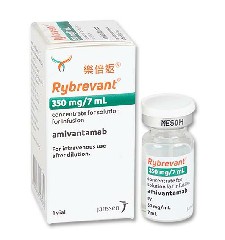
Amivantamab (amivantamab-vmjw) is a bispecific antibody that targets both the epidermal growth factor (EGF) receptor and the mesenchymal-epithelial transition (MET) receptor, providing a new way to treat non-small cell lung cancer (NSCLC) with epidermal growth factor receptor (EGFR) exon 20 insertion mutations. However, as with many medications, there may be some side effects associated with the use of evantuzumab.
When evantumumab is used in combination with chemotherapy drugs such as carboplatin and pemetrexed, common side effects include rash, nail toxicity, stomatitis, and infusion-related reactions. These reactions may be caused by the drug's irritating effects on the skin, nails, and oral mucosa. In addition, patients may experience symptoms such as fatigue, edema, constipation, decreased appetite, nausea, diarrhea, and vomiting. These reactions may be related to the drug's overall effect on the body.
In terms of laboratory examinations, common grade 3 or 4 abnormalities include decreased albumin, increased alanine aminotransferase, increased γ-glutamyl transferase, etc. These abnormalities may be related to the effects of the drug on liver function. In addition, patients may also experience symptoms such as decreases in electrolytes such as sodium, potassium, and magnesium, as well as decreases in white blood cells, hemoglobin, neutrophils, platelets, and lymphocytes. These abnormalities may be related to the effects of the drug on the blood system.
When evantumumab is used as a single agent, common side effects include rash, infusion-related reactions (IRR), paronychia, musculoskeletal pain, dyspnea, etc. These reactions may be related to the irritating effects of the drug on the skin, blood vessels, and musculoskeletal system. In addition, patients may experience symptoms such as nausea, fatigue, edema, stomatitis, cough, constipation, and vomiting.
In terms of laboratory examinations, common grade 3 or 4 abnormalitiesinclude lymphopenia, albumin decrease, phosphate decrease, etc. These abnormalities may be related to the drug's effects on the immune system, liver function, and electrolyte balance. In addition, patients may also experience symptoms such as increased alkaline phosphatase, increased glucose, increased gamma-glutamyl transferase, and decreased sodium.
[ 免责声明 ] 本页面内容来自公开渠道(如FDA官网、Drugs官网、原研药厂官网等),仅供持有医疗专业资质的人员用于医学药学研究参考,不构成任何治疗建议或药品推荐。所涉药品可能未在中国大陆获批上市,不适用于中国境内销售和使用。如需治疗,请咨询正规医疗机构。本站不提供药品销售或代购服务。


