
.jpeg)
Pharmacological effects and therapeutic effects of evantumumab
Amivantamab (amivantamab-vmjw) is a novel bispecific antibody that targets both epidermal growth factor receptor (EGFR) and mesenchymal epithelial transition (MET) receptors. The drug received accelerated approval from the U.S. Food and Drug Administration (FDA) in May 2021 for the treatment of patients with EGFR exon 20ins mutated metastatic non-small cell lung cancer who have progressed after platinum-based chemotherapy.
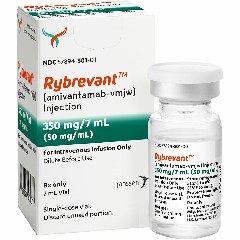
Evantumumab is a fully humanized immunoglobulinG1 bispecific antibody that binds to EGFR and MET domains and presents a new mechanism of action. In vivo and in vitro studies have shown that evantumumab can dose-dependently downregulate the expression of EGFR and MET, inhibit cell proliferation, and exert anti-tumor effects through antibody-dependent cytotoxicity. Its anti-tumor mechanism includes both Fc receptor-independent effects and Fc-dependent effects. Evantumumab can degrade EGFR and MET receptors after binding to the exon 20ins mutated EGFR tyrosine kinase receptor. In addition, evantumumab also exerts Fc-dependent effects by activating natural injury cells, macrophages and monocytes to produce antibody-dependent cytotoxicity. This triggers the release of cytokines and chemokines and downregulates EGFR and MET receptor expression through endocytosis that interacts with Fc.
Evantumumab is a bispecific monoclonal antibody composed of two different bivalent parent antibodies. The therapeutic effect of the drug lasts for a long time, and the activity can be detected within 8 weeks after treatment. Patients should be informed of the possible risks of infusion-related reactions, interstitial lung disease and pneumonitis, skin reactions, ocular toxicity, and thyroiditis when using evantumumab. Evantumumab should not be used in patients who are pregnant or breastfeeding.
[ 免责声明 ] 本页面内容来自公开渠道(如FDA官网、Drugs官网、原研药厂官网等),仅供持有医疗专业资质的人员用于医学药学研究参考,不构成任何治疗建议或药品推荐。所涉药品可能未在中国大陆获批上市,不适用于中国境内销售和使用。如需治疗,请咨询正规医疗机构。本站不提供药品销售或代购服务。


