
.jpeg)
Is everolimus effective in cancer treatment?
Everolimus is an mTOR (mammalian target of rapamycin) inhibitor. mTOR plays a key role in cell proliferation, growth and metabolism. In various tumors, the mTOR signaling pathway is often abnormally activated, promoting tumor development. Everolimus inhibits the growth and proliferation of tumor cells by inhibiting the activity of mTOR.
Multiple clinical trials have provided strong evidence for the effectiveness of everolimus in tumor treatment. For example, in the treatment of advanced renal cell carcinoma, everolimus has shown significant efficacy in patients who have failed sunitinib or sorafenib. In addition, everolimus has also shown good therapeutic effects in breast cancer, neuroendocrine tumors and other fields.
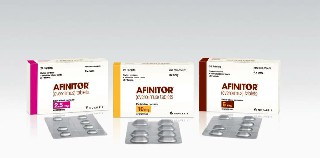
In a clinical trial of patients with advanced renal cell carcinoma, patients treated with everolimus experienced a significant increase in median progression-free survival. At the same time, the patient's quality of life has also been significantly improved. These numbers and data fully demonstrate the effectiveness of everolimus in cancer treatment.
Everolimus is not only used in the treatment of renal cell carcinoma, but is also widely used in the treatment of various other tumors. For example, everolimus has also shown significant therapeutic effects in subependymal giant cell astrocytoma that cannot be curatively resected. In addition, everolimus has also been proven to be an effective therapeutic drug in the treatment of various cancers such as breast cancer and pancreatic neuroendocrine tumors.
The safety and tolerability of everolimus have also been verified in clinical trials. Although some patients may experience some side effects, such as stomatitis, fatigue, etc., most side effects are controllable and can be managed by appropriately adjusting the drug dosage or using supportive care.
[ 免责声明 ] 本页面内容来自公开渠道(如FDA官网、Drugs官网、原研药厂官网等),仅供持有医疗专业资质的人员用于医学药学研究参考,不构成任何治疗建议或药品推荐。所涉药品可能未在中国大陆获批上市,不适用于中国境内销售和使用。如需治疗,请咨询正规医疗机构。本站不提供药品销售或代购服务。


